
Environmental protection methods focus on reducing harm to the planet through practical actions like waste reduction, pollution control, and resource conservation. These methods are designed to preserve natural ecosystems and promote sustainable living for future generations.
Common strategies include recycling, using renewable energy, and protecting wildlife habitats. Understanding these approaches helps individuals and communities make informed choices that support environmental health.
By applying effective protection methods, society can address critical challenges like climate change and biodiversity loss. This article breaks down key techniques to make environmental care accessible and actionable.
Fundamental Principles of Environmental Protection
Effective environmental protection relies on recognising the relationships within natural systems, identifying the effects of human activities, and prioritising resource use that maintains ecological balance over time.
Understanding Ecosystems
Ecosystems consist of living organisms interacting with each other and their physical environment. These systems function through complex nutrient cycles and energy flows that support biodiversity.
Disruptions, such as habitat destruction or pollution, can affect ecosystem stability and resilience. Protecting ecosystems requires maintaining habitat connectivity and reducing harmful inputs to keep natural processes intact.
Key components include producers, consumers, and decomposers, all critical for nutrient recycling. Healthy ecosystems provide essential services like clean water, air, and soil fertility necessary for human well-being.
Human Impact on the Environment
Human activities like deforestation, industrial emissions, and overfishing have altered natural environments. These impacts can lead to species loss, soil degradation, and climate change.
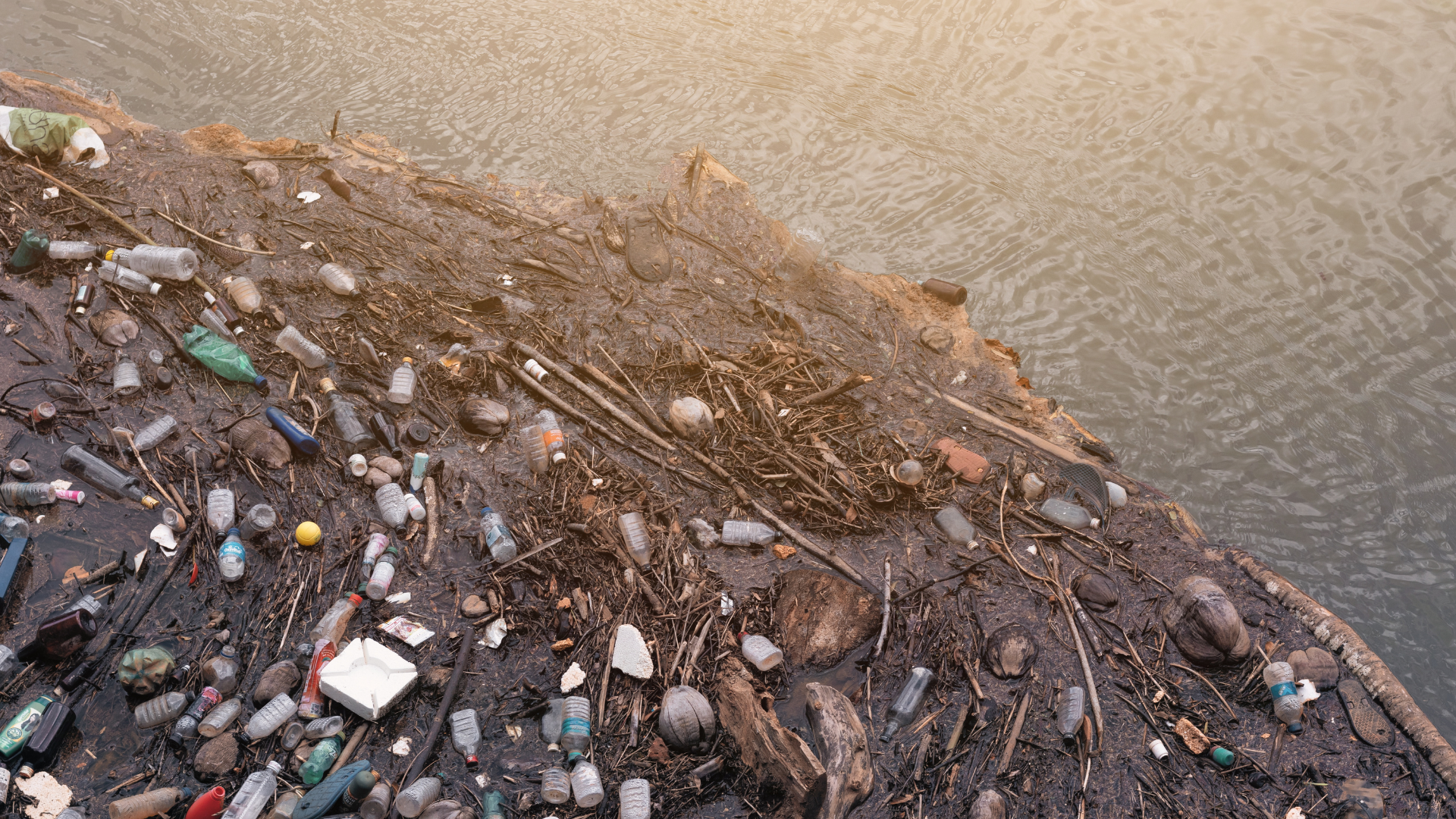
Pollution, in forms such as chemical runoff or plastic waste, damages aquatic and terrestrial habitats. Urban expansion often replaces natural areas with impervious surfaces, increasing runoff and heat pollution.
Mitigating human impact involves reducing waste, adopting cleaner technologies, and protecting critical habitats. Environmental regulations and community engagement play vital roles in managing these changes.
The Importance of Sustainability
Sustainability means using resources without depleting them or causing long-term harm. It integrates environmental health, economic viability, and social equity.
Practices include renewable energy adoption, sustainable agriculture, and waste reduction. Sustainable management preserves natural capital for future generations.
Organisations and individuals contribute by prioritising efficiency and minimising ecological footprints. Policies encouraging conservation, innovation, and responsible consumption support sustainability goals.
Preventive Environmental Protection Methods
Effective environmental protection relies on reducing harmful outputs before they occur. This involves strategies that limit pollutants, minimise waste generation, and optimise the use of natural resources to lower environmental impact.
Pollution Prevention Strategies
Pollution prevention focuses on stopping contaminants at the source. Techniques include substituting hazardous materials with safer alternatives and improving industrial processes to reduce emissions.
Examples include using water-based instead of solvent-based paints and implementing closed-loop systems to minimise chemical discharge. Regular maintenance of machinery also prevents leaks and accidental releases.
These strategies not only cut pollution but also often reduce costs by improving material efficiency and compliance with regulations, making them practical for businesses and communities.
Waste Reduction Techniques
Waste reduction involves minimising the amount of waste generated through design and behaviour changes. Key methods include source reduction, reuse, and recycling.
Source reduction means creating products that use fewer materials and produce less waste. Reuse involves extending the life of items through repair or repurposing. Recycling processes materials to make new products, conserving raw resources.
Together, these techniques reduce landfill use and lower the environmental burden of waste management, encouraging a more circular economy.
Resource Conservation
Resource conservation aims to use natural resources responsibly to ensure their availability over time. Practices include efficient water usage, energy-saving measures, and sustainable harvesting of timber and minerals.
Water conservation techniques involve fixing leaks and using drought-resistant plants in landscaping. Energy conservation can mean using LED lighting and energy-efficient appliances.
Sustainable forestry employs selective cutting and replanting to maintain ecosystem balance. These actions help prevent resource depletion and promote long-term environmental stability.
Restorative Environmental Protection Practices
Restorative practices aim to repair damage done to ecosystems and improve natural functions. These methods target specific areas such as habitats, forests, and soil quality to reverse environmental degradation.
Habitat Restoration
Habitat restoration involves returning ecosystems to their natural state by repairing damaged habitats. This often includes removing invasive species that disrupt native flora and fauna.
Projects may also involve reintroducing native plants and animals to rebuild biodiversity. Restoration efforts focus on improving water quality, soil stability, and vegetation cover to support wildlife.
Effective habitat restoration requires ongoing monitoring and adaptive management to address unforeseen challenges. It plays a crucial role in maintaining species populations and ecological balance.
Reforestation Initiatives
Reforestation is the process of planting trees in deforested or degraded areas. This practice helps combat climate change by increasing carbon sequestration.
It also restores wildlife corridors and reduces soil erosion. Selecting native tree species ensures better survival rates and promotes local biodiversity.
Some reforestation initiatives involve community participation, which improves long-term stewardship. Techniques such as assisted natural regeneration can speed up forest recovery while maintaining native ecosystem characteristics.
Soil Remediation
Soil remediation addresses contamination and degradation to restore soil health. Common techniques include bioremediation, which uses microorganisms to break down pollutants like heavy metals and hydrocarbons.
Physical methods, such as soil washing or excavation, remove contaminants directly. Chemical treatments may neutralise harmful substances but are used carefully to avoid further environmental harm.
Healthy soil improves agricultural productivity, reduces erosion, and supports plant and microbial life essential for ecosystem functioning. Regular testing and targeted remediation are key to sustainable soil management.
Legal and Policy Approaches
Legal and policy frameworks establish enforceable standards and cooperative measures for environmental protection. These approaches create the structure for controlling pollution, conserving resources, and promoting sustainable development globally and locally.
Environmental Laws
Environmental laws set mandatory limits on pollution levels, waste disposal, and resource use. In the U.S., the Clean Air Act regulates emissions from industries and vehicles, while the Clean Water Act controls pollutants entering water bodies. These laws provide penalties for non-compliance, encouraging businesses and individuals to meet legal standards.
Many countries have similar statutes focused on soil preservation, wildlife protection, and hazardous waste management. Environmental Impact Assessments (EIAs) are often required before major projects, ensuring potential harm is reviewed and mitigated in advance. Enforcement agencies monitor compliance and can impose fines or corrective actions.
International Agreements
International agreements coordinate efforts across national borders to address global environmental issues. Treaties like the Paris Agreement focus on reducing greenhouse gas emissions to limit climate change impacts worldwide.
Other key agreements include the Convention on Biological Diversity, which aims to protect ecosystems and species, and the Montreal Protocol, designed to phase out substances that deplete the ozone layer. These accords rely on member countries’ commitments and reporting to track progress.
Compliance varies, but international cooperation remains essential to manage shared resources and tackle cross-border pollution challenges.
Government Regulations
Government regulations translate laws into specific rules and standards enforced by agencies like the Environmental Protection Agency (EPA) in the U.S. These regulations detail permissible pollutant levels, energy efficiency requirements, and conservation practices.
Regulations also establish permitting systems for activities such as mining or construction, ensuring environmental considerations are integrated into development. Periodic reviews update standards based on scientific findings. Public input is often sought during the regulatory process to balance economic and environmental interests.
Effective regulation depends on adequate funding, transparent enforcement, and cooperation between federal, state, and local authorities.
Role of Renewable Energy in Environmental Protection
Renewable energy reduces reliance on fossil fuels, limiting greenhouse gas emissions and air pollution. It supports sustainable development by harnessing natural resources with minimal environmental impact. Key technologies include solar, wind, and hydropower, each offering specific benefits and challenges.
Solar Energy Solutions
Solar energy captures sunlight through photovoltaic (PV) panels or concentrated solar power (CSP) systems. PV panels convert sunlight directly into electricity and are widely used in residential, commercial, and utility-scale installations. They reduce carbon emissions by replacing coal or natural gas power plants.
Solar systems require minimal water use, unlike thermal power plants, further benefiting water-scarce regions. However, the production and disposal of solar panels involve materials like silicon and rare metals, which must be managed to reduce environmental risks.
Advancements in battery storage improve solar energy reliability. Integrating solar with smart grids enhances efficiency and allows for better energy management.
Wind Power Development
Wind power generates electricity by converting wind kinetic energy through turbines. It is currently one of the lowest-cost renewable sources and scales from small turbines on farms to large offshore wind farms.
Wind energy produces no direct emissions during operation. It reduces the need for fossil fuel extraction and combustion, making it a critical tool in emission reduction strategies.
Challenges include land use, noise, and impacts on bird and bat populations. Proper siting and technology improvements mitigate these issues. Offshore wind sites can minimise conflicts with populated areas while capturing stronger winds.
Hydropower Applications
Hydropower uses flowing or falling water to spin turbines that generate electricity. It is a mature, reliable renewable energy source providing a significant share of global renewable energy output.
Large hydropower dams can disrupt aquatic ecosystems and displace communities. Small-scale and run-of-river projects offer reduced environmental impacts. They maintain river flow and fish migration while supplying local power needs.
Hydropower plants enable grid stability through rapid response to fluctuating power demands. They also provide water management benefits like flood control and irrigation support.
Community and Individual Actions
Taking direct steps within neighbourhoods and personal daily habits can significantly reduce environmental harm. Small-scale efforts, when adopted broadly, result in measurable benefits for local ecosystems and resource conservation.
Eco-Friendly Living
Individuals can cut energy use by switching to LED lighting and energy-efficient appliances. Reducing water waste through low-flow fixtures and mindful use saves resources and lowers utility bills.
Transportation choices also matter. Walking, biking, or using public transit reduces carbon emissions. Eating locally sourced foods cuts down on transport-related pollution.
Waste management is crucial. Recycling properly, composting organic matter, and minimising single-use plastics limit landfill buildup. Being conscious of product packaging and supporting sustainable brands also decreases environmental strain.
Community-Based Conservation
Groups can organise local cleanups, tree planting, or habitat restoration projects. These efforts improve community spaces and promote biodiversity.
Establishing urban gardens or green spaces encourages native plants and pollinators. Collaboration with local authorities helps protect endangered areas.
Communities can enact policies around waste reduction and resource sharing. Partnerships with schools and businesses amplify conservation initiatives, making a long-term impact feasible.
Educational Outreach
Raising awareness through workshops, public talks, or school programs builds environmental literacy. Clear information about practical steps empowers individuals to act.
Sharing data on local environmental issues helps target efforts. Social media and community newsletters spread updates and success stories.
Educating youth fosters lifelong stewardship. Interactive activities and field trips connect learning with real-world impact, increasing motivation to engage in sustainable practices.
Technological Innovations Advancing Environmental Protection
Recent advances in technology have enabled more efficient ways to reduce pollution, conserve resources, and monitor environmental changes. These innovations include cleaner energy solutions, improved methods for handling waste, and enhanced tools for tracking environmental data.
Clean Technologies
Clean technologies focus on reducing harmful emissions and increasing energy efficiency. Solar panels and wind turbines now deliver more energy at lower costs, while electric vehicles (EVs) lower dependence on fossil fuels. Innovations like carbon capture and storage (CCS) help trap CO2 emissions from power plants.
Additionally, green building materials and energy-efficient appliances reduce energy consumption in homes and businesses. Bioenergy from waste and algae is emerging as a renewable alternative. Governments and industries are investing heavily in clean tech to meet climate goals and reduce environmental damage.
Advanced Recycling Methods
Recycling technology has evolved beyond basic sorting and reprocessing. Chemical recycling breaks down plastics to their original monomers, allowing more types of plastic to be reused efficiently. Automated systems using AI and robotics improve accuracy and speed in waste sorting.
Organic waste recycling now incorporates anaerobic digestion, converting food scraps into biogas and fertiliser. Electronic waste recycling recovers valuable metals like gold and cobalt while reducing toxic materials in landfills. These methods help decrease landfill use and pollution.
| Recycling Innovation | Benefit |
| Chemical Recycling | Reuses various plastics |
| AI Sorting Systems | Enhances sorting efficiency |
| Anaerobic Digestion | Produces renewable energy |
| E-waste Recovery | Recovers precious metals |
Monitoring and Data Analysis Tools
Remote sensing, drones, and IoT sensors provide real-time data on air and water quality, deforestation, and wildlife populations. Satellite imagery helps detect changes in land use and pollution spread.
Data analytics and machine learning analyse large datasets to predict environmental trends and the impact of human activities. Governments and researchers use these tools for policymaking, early warning systems, and targeted conservation efforts.
Environmental monitoring networks increasingly integrate multiple data sources to offer comprehensive views, improving decision-making and responsiveness to environmental challenges.
Challenges and Future Directions for Environmental Protection
Environmental protection faces complex obstacles and needs targeted strategies that address specific risks while supporting sustainable progress. The focus includes adapting to climate shifts, managing the tension between growth and resource preservation, and responding to new ecological hazards.
Climate Change Adaptation
Climate change presents urgent challenges that require adaptive measures across sectors. Rising temperatures and shifting weather patterns affect agriculture, water resources, and biodiversity. Developing resilient crop varieties and improving water management systems are critical steps.
Coastal communities face increasing risks from sea-level rise, demanding reinforced infrastructure and updated zoning laws. Climate modelling and monitoring improve preparedness but need broader implementation. International cooperation on adaptation funding and knowledge sharing remains limited, hindering progress in vulnerable regions.
Balancing Development and Conservation
Economic development often conflicts with environmental conservation. Urban expansion, industrial activities, and infrastructure projects can fragment habitats and reduce biodiversity. Regulatory frameworks must enforce impact assessments and promote green building practices.
Sustainable development goals emphasise integrating ecosystem services into planning. Tools like protected area networks and biodiversity offsets help mitigate damage but require transparent governance. Encouraging responsible investment and community involvement ensures that economic growth does not come at the cost of natural capital.
Emerging Environmental Threats
New threats continue to emerge from technological, social, and natural sources. Plastic pollution and microplastics pose widespread contamination risks in oceans and freshwater systems. Chemical pollutants, including persistent organic pollutants, accumulate and harm ecosystems.
Additionally, invasive species and zoonotic diseases are linked to environmental disturbances and global trade. Addressing these requires early detection systems, stricter regulations, and international collaboration. Monitoring technologies, such as remote sensing and environmental DNA, enhance detection but must be scaled up for global impact.