Safety in laboratories is paramount, as the working environment often involves hazardous materials and complex equipment. Establishing and adhering to essential safety rules not only protects individuals but also ensures smooth and efficient lab operations. Proper safety training and a clear understanding of protocols can significantly reduce the risk of accidents and injuries.
Lab safety rules encompass a range of practices, from the use of personal protective equipment to emergency procedures. Emphasising the importance of these rules helps foster a culture of safety among all lab personnel. Engaging in regular safety training and drills reinforces these protocols, ensuring everyone is prepared to handle potential emergencies.
In any lab setting, awareness of safety guidelines is crucial for maintaining a safe atmosphere. A commitment to following essential safety rules can make all the difference in preventing incidents and protecting valuable research.
Fundamentals of Laboratory Safety
Laboratory safety is critical for preventing accidents and ensuring a safe working environment. Understanding the types of hazards, establishing clear protocols, and using appropriate safety equipment are essential components to maintain safety in a lab setting.
Understanding Laboratory Hazards
Laboratory hazards can be classified into several categories, including chemical, biological, physical, and ergonomic hazards. Chemical hazards involve exposure to toxic, corrosive, or flammable substances. Biological hazards relate to exposure to microorganisms, which can lead to infections or other health risks. Physical hazards include equipment that poses risks such as cuts, burns, or electrical shock.
It is vital to recognise these hazards and assess the risks they pose. Understanding labels and Safety Data Sheets (SDS) for chemicals is essential for safe handling. Conducting regular hazard assessments helps identify potential risks in laboratory processes.
Establishing Safety Protocols
Creating and enforcing safety protocols ensures that laboratory personnel know how to mitigate risks. These protocols should include proper handling and disposal of hazardous materials. They must also detail emergency procedures, such as response plans for chemical spills or accidents.
Training sessions should be conducted to familiarise staff with safety practices. Regular drills can prepare all personnel for emergency situations. Clear communication of roles and responsibilities improves the effectiveness of safety protocols.
Proper Use of Safety Equipment
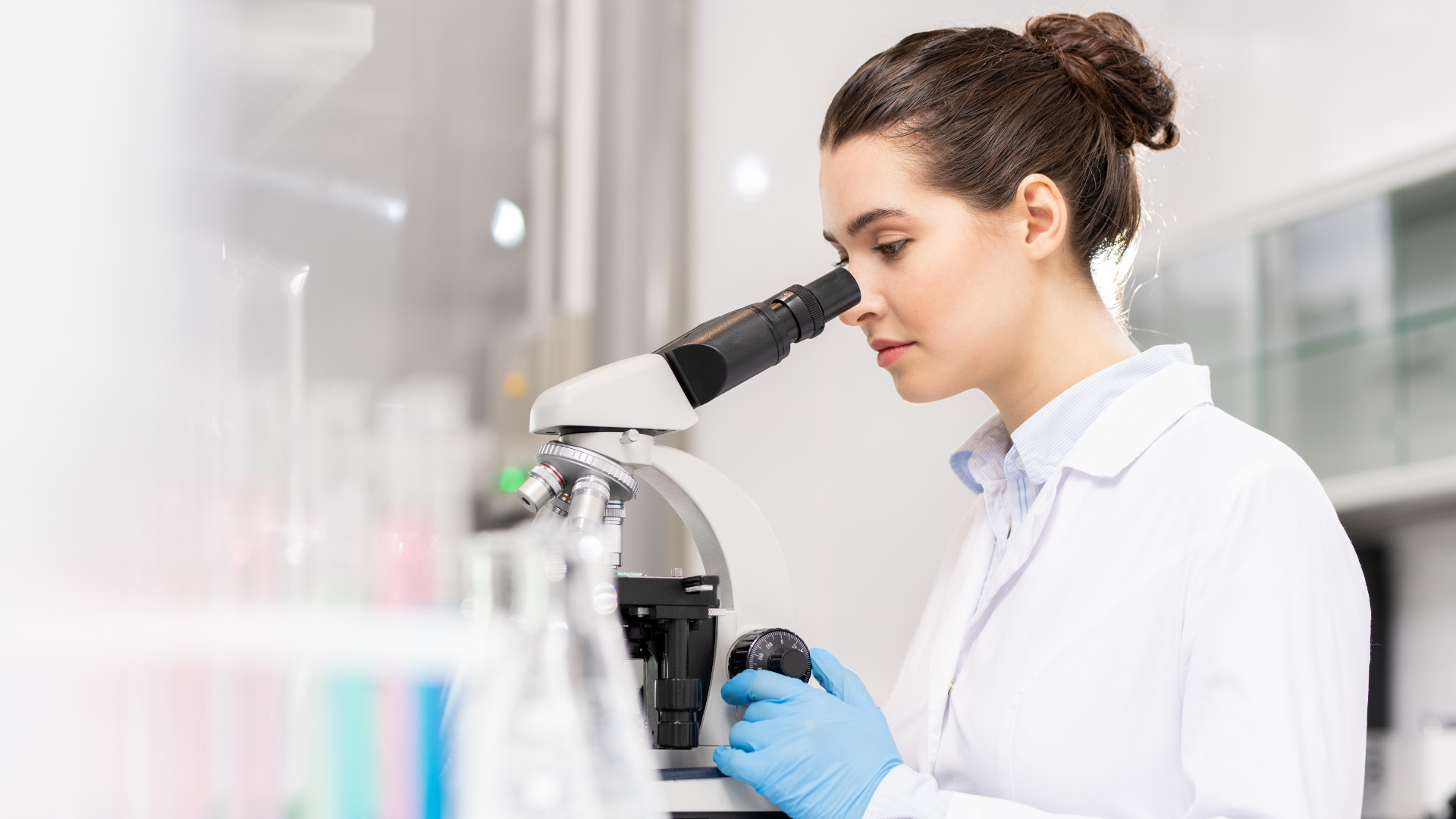
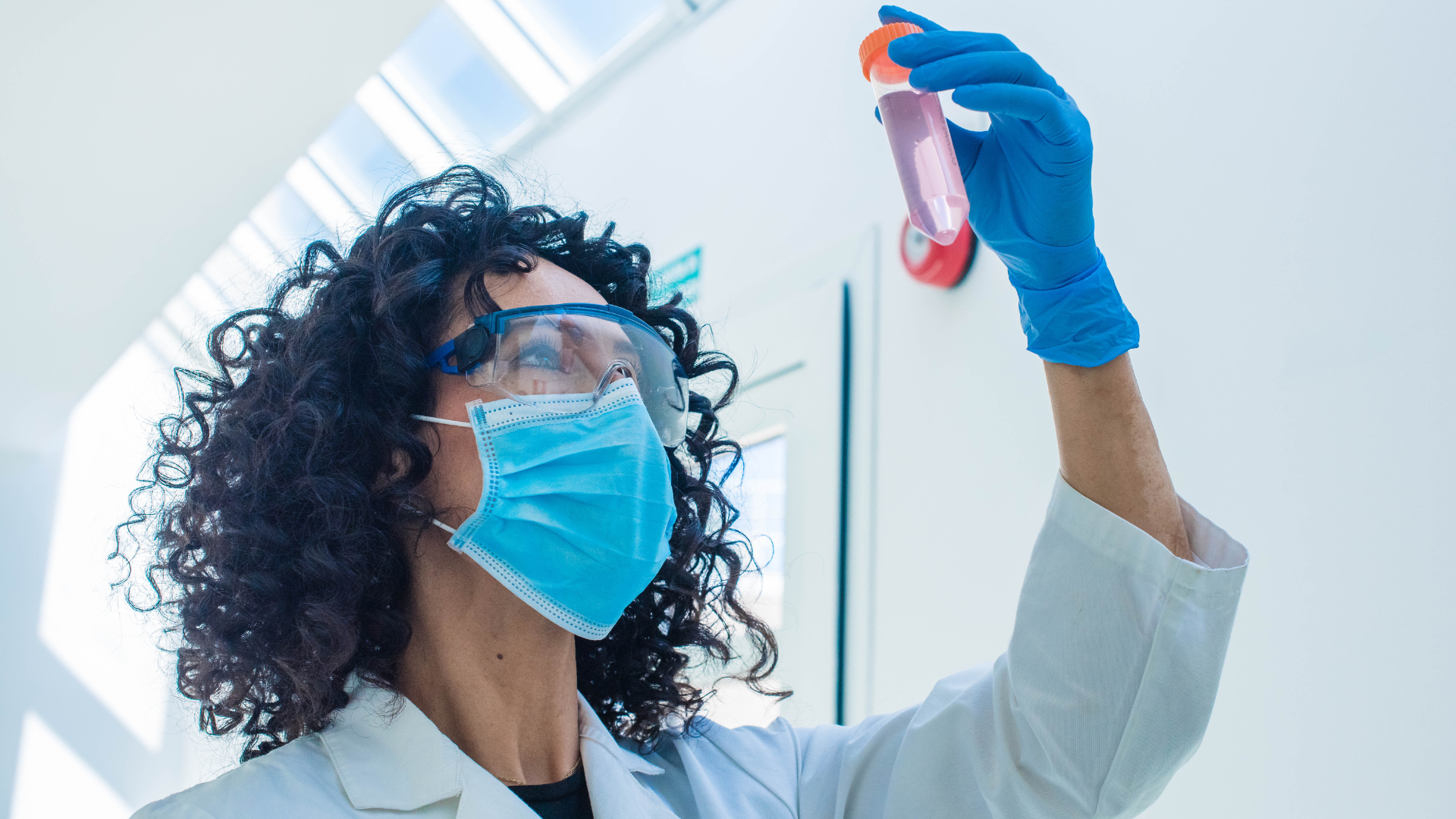
Safety equipment is a critical component of laboratory safety, including personal protective equipment (PPE) and emergency tools. Essential PPE includes lab coats, gloves, goggles, and face shields. These items protect against exposure to hazardous materials during experiments.
Emergency equipment such as eyewash stations, safety showers, and fire extinguishers should be easily accessible. All personnel must know the location and proper use of these tools. Regular inspections and maintenance of safety equipment ensure it remains functional and effective in emergencies.
Personal Protective Equipment and Apparel
In laboratory settings, the right personal protective equipment (PPE) is crucial for preventing injuries and exposure to hazardous substances. This section highlights the essentials of eye and face protection, appropriate lab coats, and the importance of footwear and gloves.
Eye and Face Protection Essentials
Safety glasses and face shields are vital for protecting the eyes and face from chemical splashes, flying debris, and radiant energy. Safety glasses should meet the ANSI Z87.1 standard and have side shields for added protection. In environments with significant splash risks, face shields should be worn over safety glasses to provide extended protection.
It is important to regularly inspect PPE for scratches or damage. Any compromised equipment should be replaced immediately to ensure optimal protection during laboratory procedures. Wearing the correct eye and face protection can significantly reduce the risk of serious injuries.
Selecting Appropriate Lab Coats
Lab coats serve as a primary barrier against spills, splashes, and other hazardous materials. When selecting a lab coat, consider the fabric; lightweight and fluid-resistant materials offer better protection against chemical exposure.
Lab coats should fit well—long enough to cover arms and legs but not so long that they can become a tripping hazard. It’s critical to choose lab coats that can easily be removed in case of emergencies. Colour-coded lab coats can help identify different functions or hazards, promoting better safety awareness among lab personnel.
Importance of Footwear and Gloves
Footwear in the laboratory should be sturdy and protective. Closed-toe shoes with slip-resistant soles are essential to prevent slips and falls. Shoes should also be waterproof or made from materials resistant to chemicals to avoid penetration from spills.
Gloves are equally important in protecting hands from chemical exposure, biological hazards, and sharp instruments. It is essential to select the right type of glove material based on the specific hazards—latex, nitrile, and vinyl are common options. Gloves should fit snugly and be free from tears or holes, and they should be removed carefully after use to avoid contamination.
Procedures for Handling Emergencies
Proper procedures for handling emergencies are crucial in laboratory settings. Timely response and effective use of emergency equipment can significantly mitigate risks. Awareness of specific actions for different types of emergencies is also essential for safety.
Emergency Equipment Usage
Emergency equipment must be easily accessible in a laboratory. Key items include:
- Safety Showers: Used for quick decontamination in case of chemical spills on skin.
- Eyewash Stations: Essential for flushing chemicals from eyes; should be used immediately after exposure.
- Fire Extinguishers: Specific types should be available based on potential fire hazards, such as chemical fires.
Lab personnel should be trained on how to operate emergency equipment. Regular checks should ensure functionality and compliance with safety regulations.
Chemical Spill Response
In the event of a chemical spill, immediate action is necessary. Staff should follow these steps:
- Assess the situation for hazards.
- If safe, contain the spill using absorbent materials.
- Avoid direct contact with the chemicals; wear appropriate personal protective equipment (PPE).
For large spills or hazardous chemicals, evacuate the area and notify emergency services. Material Safety Data Sheets (MSDS) can provide crucial information about the spilt substance and proper cleanup procedures.
Fire Safety and Evacuation
Fire safety measures should include the placement of fire alarms and clear evacuation routes. All personnel must know:
- Locations of fire exits and assembly points.
- Procedures for using fire extinguishers effectively.
In the case of a fire, it is important to remain calm. Evacuate immediately and do not attempt to salvage equipment or materials. Follow the designated evacuation route and report to the assembly point for a headcount. Proper training in fire drills can enhance preparedness and safety in emergencies.
Chemical Management and Hygiene Practices
Proper chemical management and hygiene practices are vital for ensuring safety in laboratory environments. Understanding how to store chemicals, utilise fume hoods, and manage hazardous materials is essential for minimising risks.
Chemical Storage and Labelling
Chemicals should be stored according to their compatibility to prevent reactions. Use clear and specific labels that include:
- Chemical name
- Concentration
- Hazard symbols
Regularly check for leaks and signs of deterioration. Organise storage areas to keep hazardous chemicals, such as flammable or reactive substances, away from incompatible materials. Ensure that Safety Data Sheets (SDS) are accessible and up-to-date for all chemicals in the lab. This enables quick reference in emergencies and assists with proper handling and disposal.
Working with Fume Hoods
Fume hoods are essential for protecting users from hazardous fumes and vapours. Ensure that fume hoods are functioning properly and that sashes are closed to the recommended height during use.
Key practices include:
- Regular inspections: Check airflow and functionality.
- Proper placement: Keep materials and equipment away from airflow slots.
- Avoiding clutter: Maintain a clean workspace to enhance safety.
Users must be trained on fume hood operations to ensure maximum protection from airborne hazards and to recognise when to shut off the hood during emergencies.
Managing Biological and Radiation Hazards
Handling biohazardous materials and radiation requires special attention. Laboratories must have protocols for:
- Biological materials: Use of personal protective equipment (PPE) when handling samples like pathogens.
- Radiation safety: Monitoring exposure with dosimeters and maintaining distance from radiation sources.
Proper labelling and storage are essential to prevent accidental exposure. Disposal must comply with local regulations governing biohazard and radioactive waste. Training programs should be conducted regularly to keep all personnel up to date on the correct safety practices.