
Environmental issues affect every part of the world and influence daily life in many ways. These problems include air and water pollution, climate change, deforestation, and loss of biodiversity. Understanding the causes and effects of these issues helps us make informed decisions to protect the planet.
Many environmental challenges result from human activities like industrial production, agriculture, and energy use. These actions release harmful substances and alter natural systems, creating risks for health, ecosystems, and future resources.
This article breaks down complex environmental problems into clear, easy-to-understand explanations. By learning the basics, anyone can better grasp what’s happening and why it matters.
What Are Environmental Issues?
Environmental issues involve challenges affecting natural ecosystems and human health. These problems result from harmful activities or natural processes that disrupt air, water, soil, and biodiversity. Understanding their types, causes, and significance helps address their impacts effectively.
Definition and Overview
Environmental issues refer to harmful changes in the natural environment caused mainly by human activities. These changes can directly impact ecosystems, wildlife, and human populations. They include pollution, resource depletion, habitat loss, and climate change.
The environment is a complex system where air, water, land, and living things interact. Disruptions to one part can have cascading effects on others. For example, industrial emissions can pollute the air, harming animals and plants and eventually affecting human health.
Common Types of Environmental Problems
Some of the main environmental issues include:
- Air Pollution: Emissions from factories, vehicles, and burning fossil fuels release harmful gases.
- Water Pollution: Contaminants like chemicals, waste, and plastics degrade water bodies.
- Deforestation: Clearing forests for agriculture or urban development reduces biodiversity.
- Climate Change: Increased greenhouse gases cause global temperature rises and extreme weather.
- Soil Degradation: Overuse of land and chemicals leads to loss of fertile soil.
Each problem can overlap and worsen others. For example, deforestation contributes to climate change by reducing carbon absorption.
Why Environmental Issues Matter
Environmental issues matter because they threaten health, food security, and economic stability. Polluted air and water can cause diseases like asthma and cholera. Loss of forests and wildlife reduces biodiversity, harming ecosystems that humans rely on.
They also impact economies through damaged crops, fisheries, and infrastructure. Climate change increases the frequency of extreme weather events, causing costly disasters. Addressing these problems is critical to maintaining a safe and sustainable environment for current and future generations.
Main Causes of Environmental Problems
Environmental problems arise from a combination of human actions, natural events, and excessive use of resources. Each factor influences ecosystems in different ways, impacting air, water, soil, and biodiversity.
Human Activities: Pollution, Deforestation, and Urbanisation
Human activities are the largest contributors to environmental degradation. Pollution from industries and vehicles releases harmful gases and chemicals into the air and water, causing health risks and ecosystem damage.
Deforestation removes trees that absorb carbon dioxide, leading to higher greenhouse gas levels. It also destroys habitats, reducing biodiversity. Urbanisation replaces natural land with concrete, increasing surface runoff and heat while fragmenting habitats.
These processes often interact, worsening environmental harm. For example, urban expansion can increase pollution and deforestation simultaneously. Managing these activities is critical to reducing negative impacts.
Natural Contributors
Natural contributors like volcanic eruptions, wildfires, and storms can alter the environment significantly. Volcanic eruptions release ash and gases that can affect climate and air quality. Wildfires reshape ecosystems and release carbon stored in vegetation.
Storms and floods can cause erosion, water contamination, and habitat loss. While these events are part of natural cycles, their frequency and intensity may increase due to human-driven climate change.
It’s also worth noting that severe storms can also knock out power grids and isolate rural towns for long periods. Communities in harsh environments depend on diesel and gas generators when main electric lines fail. Harsh weather puts extra wear on these emergency power units, making regular upkeep necessary for survival. Proper Alaska generator repair helps keep backup equipment working during unexpected winter outages. Keeping these systems ready reduces safety risks during major weather disasters.
Understanding natural causes helps put human impacts in perspective, but does not diminish the need to address avoidable damage.
Resource Overconsumption
Excessive use of natural resources strains the environment. Overconsumption of water leads to shortages and reduces freshwater habitats. Mining and fossil fuel extraction degrade landscapes and pollute soil and water.
Overfishing depletes aquatic species, disrupting food chains. Agriculture often requires large amounts of land and chemicals, contributing to soil degradation and water pollution.
Balancing consumption with sustainable practices is essential to preserve resources for future generations and maintaining ecosystem health.
Major Types of Environmental Issues
Environmental challenges impact air quality, water sources, and soil health worldwide. These problems have direct effects on human well-being, ecosystems, and agricultural productivity. Addressing each type requires understanding its causes and consequences.
Air Pollution
Air pollution primarily comes from burning fossil fuels, industrial emissions, and vehicle exhaust. Common pollutants include nitrogen oxides, sulfur dioxide, carbon monoxide, and particulate matter. These substances can cause respiratory problems, cardiovascular diseases, and worsen asthma.
Urban areas often experience higher pollution levels due to traffic and industrial activities. Pollutants also contribute to acid rain and climate change. Monitoring air quality indices helps track pollution levels and guide public health warnings.
Water Pollution
Water pollution occurs when harmful substances enter rivers, lakes, oceans, or groundwater. Sources include agricultural runoff, industrial waste, sewage discharge, and plastic debris. Contaminants like heavy metals, pesticides, and pathogens threaten aquatic life and human health.
Drinking contaminated water can cause diseases such as cholera and dysentery. Polluted water also disrupts ecosystems, killing fish and other wildlife. Governments aim to control water pollution through regulations on waste disposal and water treatment.
Soil Degradation
Soil degradation involves the loss of soil fertility and structure due to erosion, contamination, or nutrient depletion. Causes include deforestation, overgrazing, improper farming practices, and chemical use. Degraded soil reduces crop yields and can cause desertification.
Contaminated soil can contain harmful chemicals like pesticides or heavy metals, which enter the food chain. Preventing soil degradation involves sustainable land management, crop rotation, and minimising chemical inputs to maintain soil health.
Climate Change and Global Warming
Climate change involves shifts in global temperatures and weather patterns over time. It is driven by human activities that increase certain gases in the atmosphere, which contribute to rising temperatures and altered ecosystems.
Greenhouse Gases
Greenhouse gases (GHGs) like carbon dioxide (CO₂), methane (CH₄), and nitrous oxide (N₂O) trap heat in the Earth’s atmosphere. These gases originate mainly from burning fossil fuels, deforestation, and agriculture. CO₂ is the most abundant and persistent, remaining in the atmosphere for centuries.
Methane is far more effective at trapping heat, but it stays in the atmosphere for a shorter time. Human activities such as livestock farming and natural gas extraction significantly increase methane levels. Efforts to reduce emissions focus on cleaner energy sources and better land management.
Effects on Weather and Wildlife
Rising global temperatures affect the weather by increasing the frequency of extreme events, such as hurricanes, heatwaves, droughts, and heavy rainfall. These weather changes disrupt ecosystems, leading to habitat loss and altered migration patterns.
Wildlife species face stress from rapid changes in climate, threatening biodiversity. For example, coral reefs bleach due to warmer ocean temperatures, and polar bears depend on sea ice that is shrinking. Many plants and animals must adapt quickly or face extinction.
Long-Term Consequences
If greenhouse gas emissions continue unchecked, the planet could see temperature increases above 2°C by 2100. This scenario risks irreversible damage, such as melting polar ice caps and rising sea levels that threaten coastal cities.
Agricultural productivity may decline due to shifts in growing seasons and increased pests. Water scarcity could worsen in many regions. Human health is also at risk from heat stress, respiratory problems, and the spread of diseases linked to climate change.
Loss of Biodiversity
Biodiversity loss involves the reduction of different plant and animal species in an environment. It affects natural processes and the way ecosystems function, which can lead to negative effects on human activities like agriculture and medicine.
Habitat Destruction
Habitat destruction occurs when natural environments like forests, wetlands, and coral reefs are altered or removed. This is often caused by urban expansion, agriculture, logging, and mining. When habitats disappear, species lose their homes and food sources.
This leads to smaller populations that struggle to survive. Fragmented habitats also isolate animal groups, reducing genetic diversity and increasing vulnerability to disease. Restoration efforts aim to reverse habitat destruction but are often costly and slow.
Species Extinction
Species extinction means a species disappears completely. It happens faster now than in the past because of human actions. Overhunting, pollution, climate change, and invasive species are common causes.
Extinction disrupts the balance of ecosystems. Some species play crucial roles, such as pollination or pest control; losing them can have cascading effects. Once a species is extinct, its unique genetic information and potential benefits are permanently lost.
Impact on Ecosystems
Biodiversity loss weakens ecosystems and their ability to provide services like clean air, water purification, and soil fertility. Ecosystems with fewer species are less resilient to changes such as extreme weather or disease outbreaks.
Reduced biodiversity can lead to increased pests and decreased crop yields, which directly affect food security. Protecting biodiversity supports ecosystem stability and helps maintain the resources humans rely on.
Waste Management Challenges
Managing waste effectively involves dealing with materials that harm the environment and pose risks to health and ecosystems. Key difficulties include controlling persistent pollutants, safely handling dangerous substances, and minimising the impact of waste disposal sites.
Plastic Pollution
Plastic pollution is caused by the widespread use and improper disposal of plastic products. Plastics break down very slowly and accumulate in oceans, rivers, and landfills, threatening wildlife and ecosystems. Microplastics, tiny fragments under 5mm, are especially problematic because they enter food chains and contaminate water sources.
Recycling rates remain low worldwide, with less than 10% of plastic waste properly recycled. Many plastics are not easily recyclable due to mixed materials or contamination. Reducing single-use plastic, improving collection systems, and developing biodegradable alternatives are critical steps.
Hazardous Waste
Hazardous waste includes substances that are toxic, flammable, corrosive, or reactive. Proper management is essential to prevent soil and water contamination, as well as human exposure. Examples include industrial chemicals, medical waste, and electronic waste.
Storage and disposal require strict regulations and specialised facilities. Failure to control hazardous waste can cause long-term environmental damage and health problems. Safe treatment methods involve chemical neutralisation, incineration under controlled conditions, or secure landfilling designed to prevent leaks.
Landfill Issues
Landfills are common but problematic waste disposal sites. They require careful design to prevent contamination of groundwater and the release of harmful gases like methane, a potent greenhouse gas. Many older landfills lack modern protections.
Landfill space is limited, and many sites are reaching capacity. Waste decomposition can take decades, during which toxins may leach into soil and water. Advanced landfills use liners, leachate collection systems, and gas capture technology to reduce environmental impact and recover energy from gases produced.
Human Health and Environmental Issues
Environmental changes impact human health in multiple ways. Illnesses can increase due to altered ecosystems and pollutants. Understanding specific risks helps in responding effectively.
Disease Spread
Environmental disruptions, such as deforestation and climate change, modify habitats where disease-carrying animals live. This increases contact between humans and vectors like mosquitoes or rodents. For example, warmer temperatures expand the range of mosquitoes carrying diseases like malaria and dengue fever.
Water pollution also contributes to disease outbreaks. Contaminated water sources lead to infections such as cholera and dysentery, especially in areas lacking proper sanitation.
Urbanisation without adequate infrastructure can intensify disease transmission. Crowded living conditions with poor waste management make it easier for viruses and bacteria to spread.
Exposure to Toxins
Human exposure to environmental toxins occurs through air, water, soil, and food. Heavy metals like lead and mercury, released by industrial processes, can accumulate in the body and cause neurological damage.
Air pollution from vehicle emissions and factories contains harmful chemicals such as particulate matter and nitrogen dioxide. These contribute to respiratory illnesses, including asthma and chronic bronchitis.
Pesticides and chemical runoff in agriculture can contaminate nearby water and crops. Long-term exposure increases the risks of cancer and hormone disruption.
| Source | Common Toxins | Health Effects |
| Industrial Air | Particulate Matter | Lung disease, heart issues |
| Water | Lead, Mercury | Brain damage, organ failure |
| Agriculture | Pesticides | Cancer, endocrine issues |
Global and Local Solutions
Addressing environmental issues requires actions at both the broad and community levels. These efforts include policies that regulate harmful activities and local initiatives that foster sustainable behaviours.
Government Regulations
Governments play a critical role by enforcing laws that limit pollution and protect natural resources. Regulations often set standards for emissions from factories, vehicles, and power plants to reduce air and water pollution.
Policies like carbon pricing encourage businesses to lower greenhouse gas emissions by making pollution more costly. Governments also promote renewable energy development through subsidies and incentives for solar, wind, and other clean sources.
International agreements, such as the Paris Agreement, coordinate global efforts to limit climate change impacts. Effective enforcement of these laws and agreements is essential to drive measurable environmental improvements.
Community Involvement
Local communities contribute by adopting daily practices that reduce waste and conserve resources. This includes recycling programs, planting trees, and supporting local food sources to lower carbon footprints.
Community groups can organise cleanups, educate residents on sustainable habits, and push for local government action. Small behavioural changes, when multiplied by many people, create significant positive effects.
Engaging schools and businesses in sustainability efforts helps spread awareness and build long-term commitment. Effective solutions rely on active participation from individuals and organisations at the grassroots level.
Everyday Actions to Protect the Environment
Small, consistent changes in daily habits can reduce pollution and conserve resources. Paying attention to waste and making thoughtful purchases helps lower environmental impact significantly.
Reducing Waste
Cutting down on waste starts with reusing and recycling materials properly. Use reusable bags, containers, and bottles to avoid single-use plastics, which often end up in landfills or oceans.
Composting food scraps reduces landfill waste and creates nutrient-rich soil for gardening. Additionally, repairing items instead of discarding them saves materials and energy.
Prioritise buying products with minimal packaging and check local recycling rules to sort waste correctly. These steps help divert waste from landfills and lower pollution.
Sustainable Consumption
Choosing sustainable products means selecting items made with renewable resources or recycled materials. Look for certifications like FSC for wood or fair-trade labels for ethical sourcing.
Limit meat and dairy consumption to reduce greenhouse gas emissions associated with livestock farming. Opt for seasonal, local produce to support nearby farms and reduce transportation pollution.
Plan purchases carefully to avoid overbuying and food waste. Prioritise quality over quantity to ensure items last longer and reduce replacement frequency.
The Future of Our Environment
The future of the environment depends heavily on human choices, technological progress, and how well societies manage resources. Key developments will shape how challenges like climate change and pollution are addressed over the coming decades.
Innovation and Technology
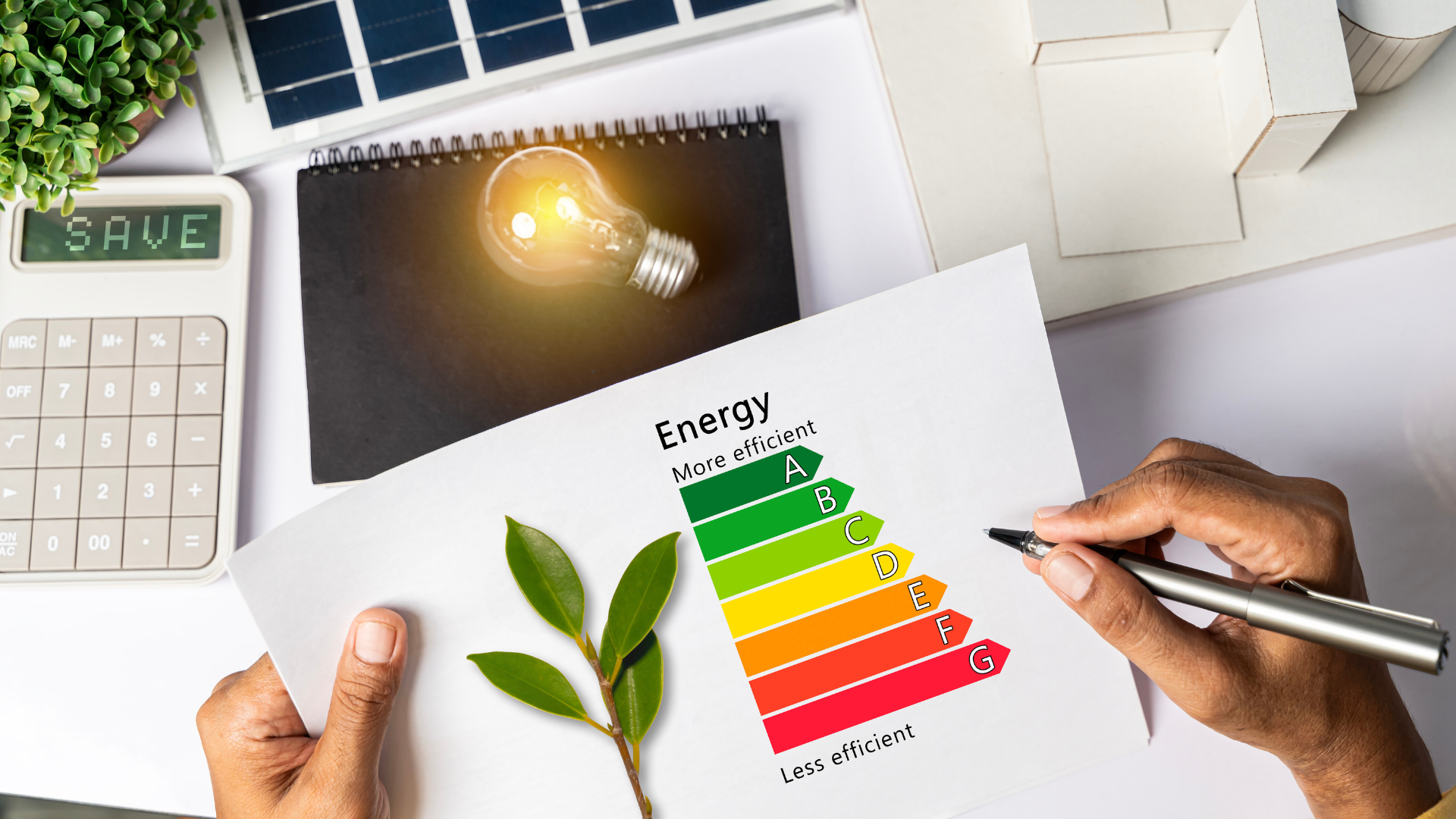
Advances in renewable energy, such as solar, wind, and battery storage, are critical to reducing global carbon emissions. Innovations in energy efficiency for buildings and vehicles also play a significant role. For example, electric vehicles and smart grids help cut fossil fuel use.
Emerging technologies like carbon capture and storage (CCS) aim to remove CO2 directly from the atmosphere. Precision agriculture and biotechnology improve food production while lowering environmental impact. These technologies require funding, regulation, and global cooperation to scale effectively.
Long-Term Outlook
The Environmental Trends Project increased stress on ecosystems due to climate change, population growth, and resource consumption. Sea-level rise and extreme weather events are expected to worsen if greenhouse gas emissions remain high.
In response, countries are setting targets for net-zero emissions by mid-century and expanding protected natural areas. Sustainable urban planning and circular economy models help minimise waste and resource use.
The success of these measures depends on consistent policy efforts and public awareness. Without coordinated actions, environmental degradation will intensify, making adaptation more difficult and costly.