
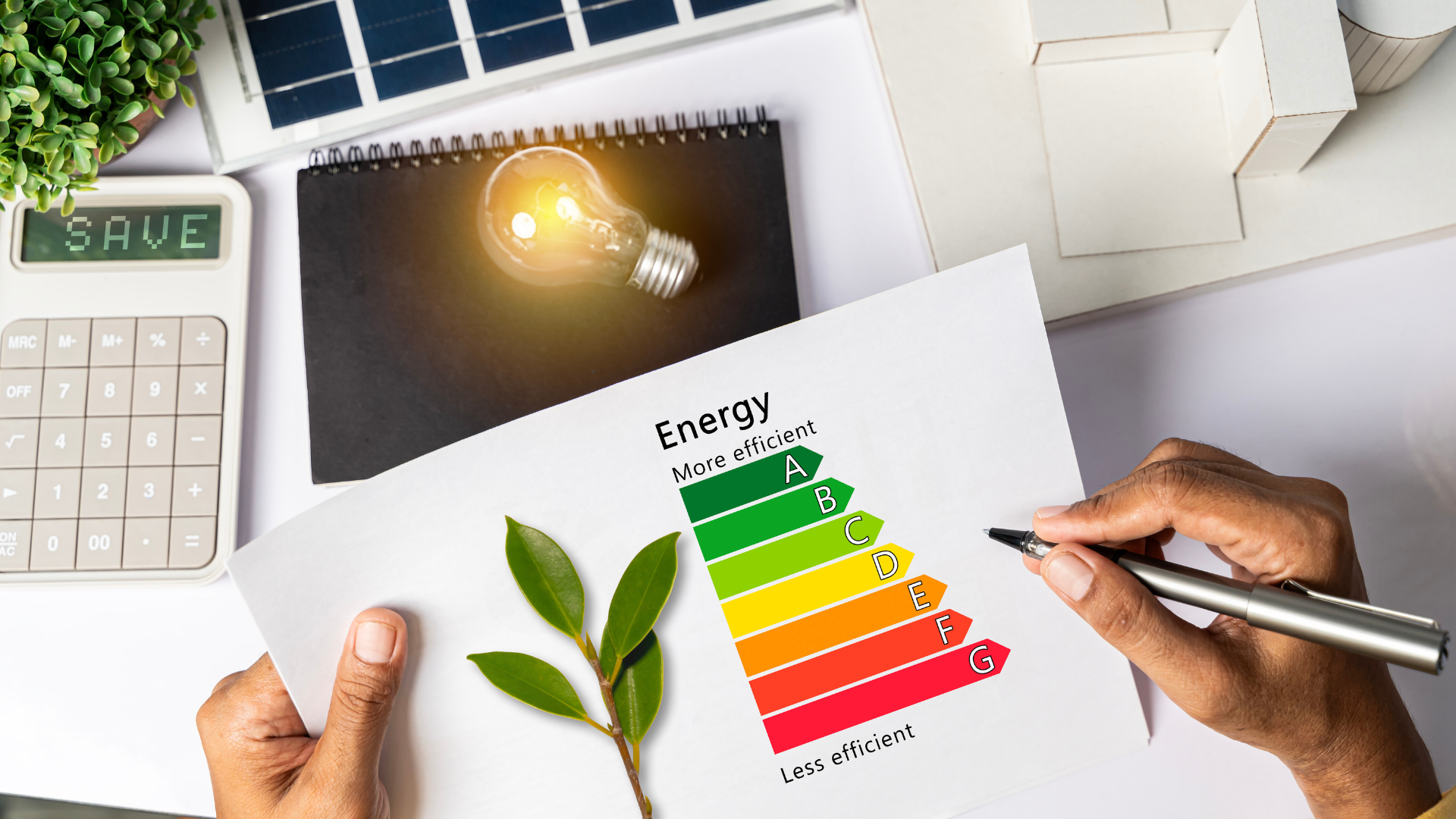
Reducing energy consumption is essential for lowering utility bills and minimising environmental impact. Simple actions like turning off unused lights, unplugging devices, and using energy-efficient appliances can significantly cut power use.
Using a combination of behavioural changes and energy-efficient technology is the most effective way to reduce overall energy consumption. Understanding where energy is wasted helps target efforts for the best results.
This guide will walk through practical steps that anyone can apply to save energy at home or work without major investments. Implementing these tips can lead to both immediate savings and long-term benefits.
Understanding Energy Consumption
Energy use depends on multiple factors, including appliances, behaviours, and building characteristics. The consequences of high energy demand affect costs and the environment. Distinguishing between efficiency and conservation helps identify the best approaches to lower consumption.
What Drives Energy Usage
Energy consumption primarily stems from heating, cooling, lighting, and operating appliances. Residential buildings use about 40% for heating and cooling. Electronics and kitchen appliances contribute significantly as well.
Behaviour patterns, such as leaving devices on standby, increase usage. Building design affects energy needs; poor insulation raises heating and cooling demand.
Equipment efficiency varies widely. Older appliances often use more power compared to modern Energy Star-rated models. Awareness of these factors enables targeted reductions.
The Impact of High Consumption
High energy use results in increased utility bills, affecting household budgets directly. On a larger scale, excessive energy demand leads to higher greenhouse gas emissions, contributing to climate change.
Energy production involving fossil fuels releases pollutants that degrade air quality. Strain on power grids can cause outages and additional costs.
Financial incentives exist in many regions for reducing energy waste. Understanding these impacts highlights the importance of managing consumption effectively.
Energy Efficiency vs. Conservation
Energy efficiency means using technology to perform the same tasks with less energy. Examples include installing LED bulbs, upgrading to efficient HVAC systems, and sealing leaks.
Energy conservation focuses on changing behaviours to reduce consumption. Turning off lights when not needed or lowering thermostat settings are common methods.
Both strategies complement each other. Efficiency investments provide long-term savings, while conservation habits bring immediate reductions. Combining both yields the best results.
Assessing Current Energy Use
Understanding current energy consumption involves a detailed review of where and how energy is used. This process includes systematically examining equipment, habits, and historical data to pinpoint areas for improvement.
How to Conduct an Energy Audit
An energy audit begins by gathering utility bills for the past 12 months to track patterns. Next, walk through the building or home to inspect heating, cooling, lighting, and appliances.
Use tools like a power meter to measure specific device consumption. Take notes on equipment age, efficiency ratings, and operating hours. Professional auditors may deploy thermal cameras to detect insulation issues.
Documenting findings thoroughly helps identify inefficient systems. Prioritise areas with the highest energy use first for possible upgrades or behaviour changes.
Identifying Major Energy Drains
Focus on devices and systems that consume the most power. Typically, HVAC systems, water heaters, refrigerators, and lighting represent substantial energy loads.
Create a list ranking these by monthly energy usage. Look for outdated equipment or items running longer than necessary.
Consider standby power losses from electronics left plugged in or “vampire” loads. Addressing these small drains can collectively reduce total energy consumption meaningfully.
Measuring Baseline Consumption
Establish baseline consumption by analysing utility bills or using smart meters if available. Break down total energy use by day, week, and month to detect peaks.
This baseline acts as a reference point for measuring improvements over time. Compare similar periods year-over-year to account for seasonal variations.
Record baseline data in a spreadsheet, including energy type (electric, gas), cost, and usage figures. Accurate baseline measurement is essential for an effective energy management strategy.
Optimising Home Energy Use
Efficient energy use at home depends on choosing the right appliances, sealing gaps that cause heat loss, and using technology to manage heating and cooling. Small changes in these areas can lead to noticeable reductions in energy consumption.
Upgrading Appliances and Lighting
Older appliances use significantly more energy than modern models. Replacing refrigerators, washers, and dryers with ENERGY STAR-certified versions can cut energy use by 10-50%. These models operate more efficiently due to improved motors and better insulation.
Lighting also affects energy consumption. Switching to LED bulbs reduces electricity use by up to 75% compared to incandescent bulbs. LEDs last longer, lowering replacement costs and waste. When upgrading, consider bulb brightness and colour temperature for the best combination of efficiency and comfort.
Sealing and Insulating the Home
Gaps around windows, doors, and vents allow heat to escape in winter and enter in summer. Sealing these leaks with weatherstripping or caulk improves comfort and reduces heating and cooling loads. Even small cracks can cause significant energy loss.
Insulation in walls, attics, and basements slows heat transfer. Homes with R-30 or higher attic insulation retain temperature better. Adding insulation where needed minimises the need for HVAC operation, directly lowering energy bills.
Smart Thermostat Integration
Smart thermostats optimise heating and cooling based on occupancy and preferences. They learn schedules and adjust temperatures to reduce energy use during inactive periods. For example, setting back the temperature by 7-10°F during sleep or work hours saves about 10% annually.
These devices can be controlled remotely via smartphone apps, allowing immediate adjustments and monitoring. Some models integrate with other smart home systems for more precise energy management, increasing efficiency with minimal user intervention.
Efficient Heating and Cooling Strategies
Optimising heating and cooling systems reduces energy waste and lowers utility bills. Effective maintenance and seasonal adjustments ensure that these systems operate efficiently throughout the year.
Improving HVAC System Performance
Regular HVAC maintenance, such as replacing air filters every 1-3 months, improves airflow and system efficiency. Dirty filters force the system to work harder, increasing energy consumption.
Sealing duct leaks prevents conditioned air from escaping, which can save up to 20% on heating and cooling costs. Insulating ducts also maintain temperature control, especially in unconditioned spaces.
Using programmable thermostats allows precise temperature control, reducing energy use when the home is empty or during sleeping hours. Setting heating to 68°F (20°C) in winter and cooling to 78°F (26°C) in summer balances comfort and energy savings.
Seasonal Usage Adjustments
Adjust HVAC settings based on the season to match actual comfort needs. Lower heat settings during winter nights and raise cooling settings in summer when away from home to minimise energy waste.
Consider system shutdown periods when seasonal temperatures are mild. Using ceiling fans in summer can reduce the need for air conditioning by circulating cool air effectively.
In colder months, open curtains during daylight to use solar heat and close them after sunset to retain warmth. Similarly, keep blinds closed in summer to block heat and reduce cooling load.
Reducing Energy in Daily Habits
Adopting simple changes in routines can lower energy consumption effectively. Small adjustments in how appliances and devices are used can lead to measurable savings. Understanding the sources of unnecessary energy use helps target efforts where they matter most.
Adopting Energy-Saving Practices
Replace incandescent bulbs with LED lighting to cut electricity use by up to 75%. Use natural daylight whenever possible instead of electric lights during the day. Set thermostats lower in winter and higher in summer by 2-3 degrees to reduce heating and cooling costs.
Regularly clean or replace air filters in HVAC systems to improve efficiency. Cooking with lids on pots and using microwave ovens for small meals uses less energy. Unplug chargers and appliances when not in use—they draw power even if switched off.
Managing Standby Power
Many electronics consume energy in standby mode, often called “phantom load.” Devices like TVs, computers, and game consoles can use 5-10 watts continuously, which adds up over time. Use power strips with switches to cut power completely when devices are off.
Smart plugs allow scheduled shut-off, reducing wasted energy without effort. Identify high-standby items by unplugging one device at a time and monitoring energy use with a meter. Avoid charging devices overnight, as it wastes energy after a full charge is reached.
Behavioural Changes That Make a Difference
Turning off lights when leaving rooms reduces unnecessary use. Limit the use of space heaters and fans, opting for clothing adjustments instead. Air-dry clothes when the weather permits instead of using a dryer.
Plan shopping trips and errands to reduce driving time, lowering fuel and energy use. Adjust computer settings for energy-saving modes and sleep timers. Regular maintenance of appliances and vehicles improves efficiency and reduces wasted energy.
Utilising Renewable Energy Sources
Reducing energy consumption often involves switching to sustainable energy options and being strategic about energy sourcing. Practical steps include generating your own power and selecting suppliers committed to clean energy. These approaches directly decrease dependence on fossil fuels.
Installing Solar Panels
Solar panels convert sunlight into electricity, providing a reliable and renewable energy source for homes and businesses. Installation starts with evaluating your roof’s orientation, shading, and size to determine potential energy output.
Costs for solar panel systems vary based on size and location, but typically range from $10,000 to $30,000 before incentives. Many states offer tax credits or rebates that can lower upfront expenses substantially. Once installed, solar panels generally require minimal maintenance.
Solar power can reduce monthly electricity bills by offsetting grid consumption. In some cases, excess energy produced can be sold back to utilities, further improving savings. It’s important to work with certified installers to ensure system efficiency and compliance with local regulations.
Choosing Green Energy Providers
Green energy providers supply electricity from 100% renewable sources like wind, solar, or hydroelectric power. Switching to these suppliers usually involves updating your utility account and may have a small price premium.
When selecting a green energy provider, verify whether their renewable claims are certified by organisations like Green-e. Pricing structures may include fixed or variable rates, so compare options carefully to find the best balance between cost and sustainability.
Using green energy providers supports renewable infrastructure without upfront installation costs. This option suits renters or those unable to install solar panels. Confirm if your local grid supports green energy participation to maximise impact.
Energy Savings in Water Usage
Reducing energy consumption in water usage involves improving efficiency in heating and minimising water waste. Focusing on upgrading equipment and installing modern fixtures can lead to measurable energy savings.
Upgrading Water Heaters
Replacing older water heaters with energy-efficient models can significantly decrease energy use. Tankless water heaters provide hot water on demand, eliminating standby energy loss common in traditional storage tanks.
Energy Factor (EF) ratings help determine a heater’s efficiency. Look for models with higher EF values for better performance. Additionally, insulating water heaters and pipes reduces heat loss, conserving energy.
Setting the water heater temperature to 120°F balances comfort and efficiency. Higher settings increase energy consumption without proportionate benefits. Regular maintenance, such as flushing sediment, improves heater efficiency and lifespan.
Water-Saving Fixtures and Devices
Installing low-flow showerheads and faucets reduces water flow while maintaining pressure. This cuts both water and the energy required to heat it. Devices typically limit flow to 1.5 gallons per minute or less.
Dual-flush toilets offer two flush options, using less water for liquid waste and more only when necessary. Aerators mix air with water, reducing flow without impacting user experience.
Simple steps, like fixing leaks promptly, prevent unnecessary water and energy waste. Combining these fixtures and practices can lower water heating energy use by up to 20%, based on typical household data.
Transportation and Energy Efficiency
Reducing energy consumption in transportation involves optimising vehicle choice and altering travel habits. Using vehicles that require less fuel and shifting to other modes of transport can significantly cut energy use.
Switching to Fuel-Efficient Vehicles
Choosing vehicles with high fuel efficiency lowers energy consumption per mile driven. Models that achieve better miles per gallon (MPG) reduce the amount of gasoline or diesel burned.
Hybrid and electric vehicles (EVs) are prominent options. Hybrids combine an internal combustion engine with an electric motor, improving fuel economy. EVs run entirely on electricity, eliminating gasoline use, but depend on the energy source of the electric grid.
When selecting a fuel-efficient vehicle, consider factors such as fuel type, engine size, and vehicle weight. Regular maintenance, like tyre inflation and engine tuning, also improves efficiency.
Adopting Alternative Transportation Methods
Using non-car transportation can drastically reduce energy consumption. Options include public transit, cycling, walking, and carpooling.
Public transportation systems use less energy per passenger compared to private cars. Buses and trains running at higher occupancy maximise fuel efficiency.
Cycling and walking consume no fossil fuel, offering zero-emission alternatives for short distances. Carpooling spreads fuel use among multiple riders, cutting individual energy consumption.
Planning trips to combine errands or telecommuting also reduces the need to travel, saving both fuel and time.
Monitoring and Sustaining Energy Reductions
Maintaining lower energy consumption requires ongoing attention and strategic planning. Consistent measurement and clear objectives help make reductions permanent and measurable.
Tracking Energy Usage Over Time
Regularly recording energy consumption data is critical for identifying trends and spotting anomalies. Use tools like smart meters or energy management software to collect accurate, real-time information.
Create a log or dashboard updating weekly or monthly to monitor progress. Compare data against previous periods to evaluate the effectiveness of energy-saving actions.
Visual aids such as charts or graphs can highlight patterns and focus efforts where usage is highest. Pay attention to seasonal fluctuations and unusual spikes, which may indicate equipment issues or behavioural lapses.
Regular audits help validate data and uncover overlooked consumption sources. This ongoing review ensures energy reductions are genuine and sustained, rather than temporary drops.
Setting and Achieving Reduction Goals
Define specific, measurable, achievable, relevant, and time-bound (SMART) goals to guide your energy-saving efforts. For example, reduce electricity use by 10% within six months.
Break goals into smaller milestones for easier tracking. Assign responsibility to team members for different tasks to encourage accountability.
Use incentives or recognition programs to maintain motivation among employees or household members. Keep goals flexible in case adjustments are necessary due to changes in occupancy or equipment.
Document all progress and regularly review goals, updating them as improvements are achieved or challenges arise. This structured approach increases the chance of long-term success in cutting energy consumption.
Community and Workplace Initiatives
Communities and workplaces play a crucial role in reducing energy consumption. Group efforts can lead to significant energy savings by encouraging responsible habits and investing in efficient technologies.
Local governments and organisations can implement programs such as energy audits and retrofit incentives. These help identify areas for improvement and provide financial support for upgrades.
Workplaces can promote energy-saving practices by:
- Encouraging employees to turn off lights and equipment when not in use
- Utilising natural light and energy-efficient appliances
- Setting up carpool programs or supporting public transit
Community initiatives may include neighbourhood challenges to reduce energy use or workshops on energy-efficient living. Such activities raise awareness and foster cooperation.
Energy-saving practices in workplaces and communities:
| Initiative | Description | Benefit |
| Energy audits | Evaluations of energy use and efficiency | Identifies savings opportunities |
| Retrofits and upgrades | Installing LED lighting, efficient HVAC systems | Reduces consumption and costs |
| Awareness campaigns | Informative sessions and challenges | Encourages long-term behaviour change |
These initiatives create measurable impact by combining education, incentives, and practical changes. Collaboration amplifies the effect compared to individual efforts alone.