Renewable energy sources like solar, wind, and hydro offer clear advantages over fossil fuels. They reduce greenhouse gas emissions, lower energy costs over time, and provide a sustainable supply of power. These benefits make renewable energy a practical choice for meeting growing global energy demands.
Transitioning to renewables also enhances energy security by reducing dependence on imported fuels. Moreover, the development of these technologies can create jobs and stimulate economic growth.
Understanding these benefits is essential for making informed decisions about energy use. This article explores how renewable energy supports environmental, economic, and social goals.
Overview of Renewable Energy Sources
Renewable energy harnesses natural processes that replenish continuously or within a human timeframe. It reduces reliance on finite fossil fuels and offers diverse methods tailored to different environments.
Definition of Renewable Energy
Renewable energy comes from sources that naturally regenerate, such as sunlight, wind, water flow, and organic materials. Unlike fossil fuels, these sources do not deplete over time.
This energy is classified as sustainable because it supports ongoing use without causing resource exhaustion. It typically produces less pollution and greenhouse gas emissions compared to conventional energy sources.
Renewable energy can be captured directly, as in solar panels collecting sunlight, or indirectly, like wind energy generated by atmospheric motions influenced by solar heating.
Types of Renewable Resources
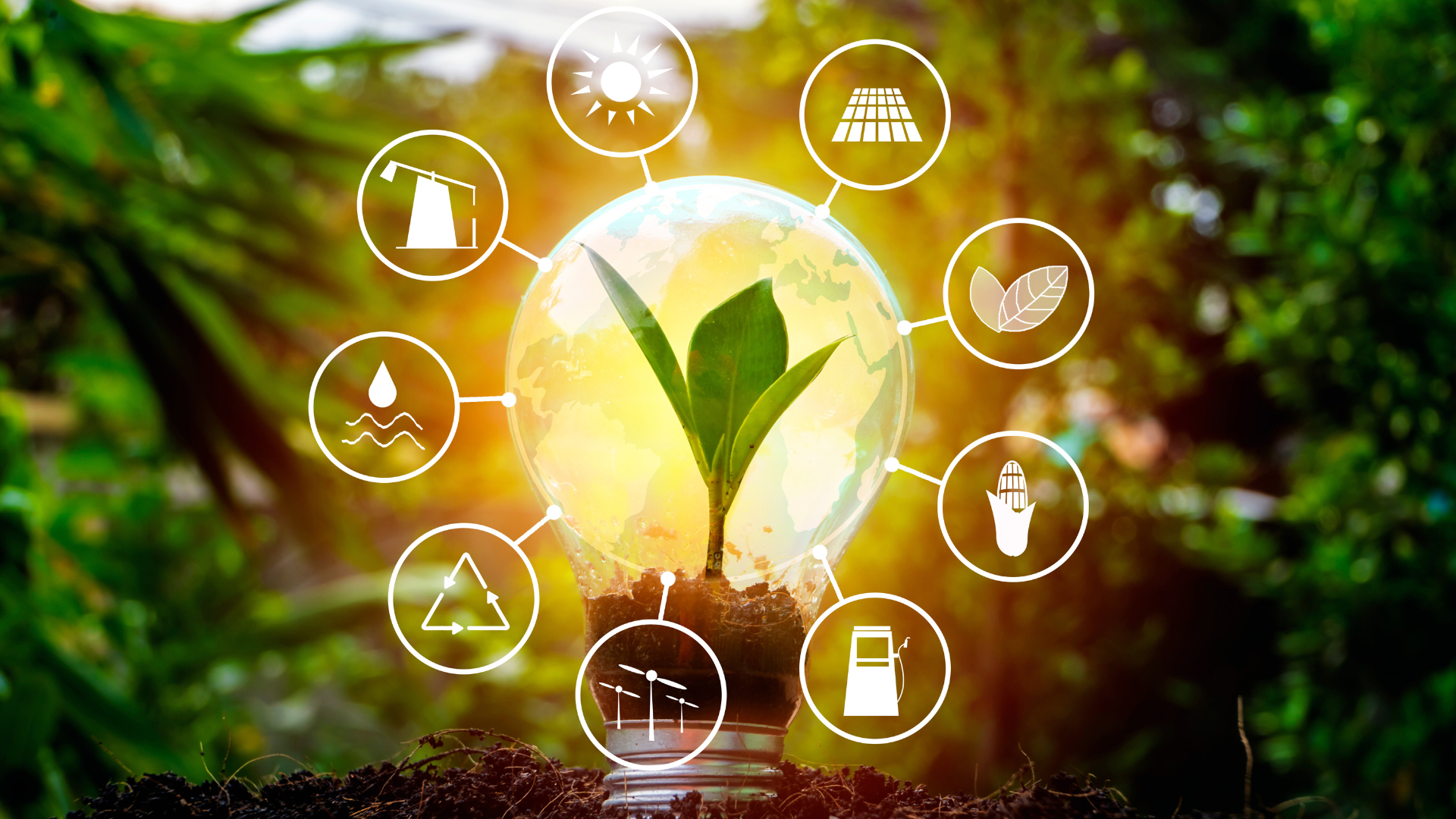
The primary types include solar, wind, hydroelectric, geothermal, and biomass energy.
- Solar energy uses photovoltaic cells or solar thermal systems to convert sunlight into electricity or heat.
- Wind energy is generated by turbines that convert the kinetic energy of wind into electrical power.
- Hydroelectric power harnesses the flow of water in rivers or dams to drive turbines.
- Geothermal energy accesses heat from beneath the Earth’s surface for electricity and heating.
- Biomass energy converts organic materials like wood, agricultural waste, and algae into fuel or electricity.
Each type varies in efficiency, cost, and suitability based on geographic and climatic conditions.
Global Usage Trends
Renewable energy accounts for an increasing share of global electricity production. As of the mid-2020s, about 30% of worldwide power generation comes from renewables, with solar and wind leading growth.
Investment trends show a rapid decline in costs, especially for solar photovoltaics, making renewables more competitive with fossil fuels.
Countries like China, the U.S., and Germany are the largest producers of renewable energy, boosting capacity through policy support and technological advances.
Emerging markets in Asia, Africa, and Latin America are also expanding renewable infrastructure to improve energy access and reduce emissions.
Environmental Benefits of Renewable Energy
Renewable energy sources offer significant environmental advantages that affect climate change, air and water quality, and natural ecosystems. These benefits improve the sustainability and health of the planet while supporting long-term ecological balance.
Reduction of Greenhouse Gas Emissions
Renewable energy systems release little to no carbon dioxide or methane during operation. Solar, wind, and hydropower replace fossil fuels, which are the primary sources of greenhouse gases (GHGs). For instance, wind turbines generate electricity without burning fuel, cutting emissions substantially compared to coal plants.
Using renewables reduces the carbon footprint of electricity production, which accounts for nearly 25% of global GHGs. Less reliance on natural gas and coal helps slow climate change by lowering atmospheric carbon levels.
Energy transition policies focused on renewables contribute effectively to national and international emissions targets, making them central to climate action plans.
Decrease in Air and Water Pollution
Fossil fuel combustion releases pollutants like sulfur dioxide, nitrogen oxides, and particulate matter that harm human health and the environment. Renewable energy technologies minimise these emissions, leading to cleaner air.
Unlike coal mining or oil drilling, renewable installations do not produce toxic waste or soil contamination. They also reduce the risks of oil spills and water pollution that harm aquatic systems.
Hydropower requires careful site management to mitigate environmental impacts, but does not emit airborne pollutants. Solar panels and wind turbines have no direct emissions during electricity generation, improving air quality around urban and rural areas.
Biodiversity and Habitat Preservation
Renewables contribute to preserving natural habitats by reducing destructive resource extraction. Fossil fuel mining and drilling fragment ecosystems and disrupt wildlife. In contrast, wind and solar farms have smaller land footprints and avoid many forms of habitat degradation.
Proper siting of renewable projects avoids critical habitats and migratory paths. Some solar facilities can coexist with agriculture, supporting dual land uses.
Wildlife impacts from turbines can be managed through technology and regulation, limiting harm to birds and bats. Overall, renewable energy development offers a pathway to protect biodiversity while meeting human energy needs.
Economic Advantages of Renewable Energy
Renewable energy sources contribute significantly to economic stability and growth through various channels. They offer stable energy pricing, enhance local economies, and generate extensive job opportunities both in the construction and maintenance sectors.
Job Creation and Economic Growth
Renewable energy projects create numerous jobs across different skill levels, from manufacturing to installation and maintenance. For example, the solar and wind industries employ millions worldwide, with many roles in engineering, project management, and technical support.
These industries tend to provide more local jobs compared to fossil fuels, supporting economic growth in regional areas. The long-term operational jobs, like wind turbine technicians, often offer competitive wages. Growth in the renewable sector also attracts investment, leading to broader economic development.
Energy Cost Stability
Renewable energy sources, such as solar and wind, have low operating costs because they do not rely on fuel purchases. This reduces exposure to volatile fossil fuel prices, which can fluctuate due to geopolitical tensions and market changes.
Once installed, renewable systems produce energy at predictable costs, smoothing electricity price variations. This stability benefits consumers and businesses, helping with budgeting and long-term planning. Over time, this can lower the total cost of energy compared to fossil fuels.
Local Economic Development
Investment in renewable energy infrastructure often boosts local economies by increasing tax revenues and encouraging new business development. Communities hosting renewable projects may see improvements in public services funded by these revenues.
Renewable energy facilities can stimulate supply chain activities, benefiting local companies providing equipment, transportation, and maintenance services. Additionally, rural areas can gain financial incentives, supporting agriculture and reducing economic disparities. These benefits can strengthen economic resilience in smaller or less developed regions.
Energy Security and Reliability
Renewable energy strengthens the stability of energy systems by reducing external risks and improving the ability to manage supply disruptions. It also supports a more adaptable and varied mix of power sources.
Reduced Dependence on Imported Fuels
Using renewable energy decreases the need to import fossil fuels like oil, coal, and natural gas. This limits exposure to price volatility caused by geopolitics and supply chain interruptions.
Countries with abundant solar, wind, or hydro resources can generate power locally. This insulates them from global market fluctuations. It also enhances national sovereignty by relying less on foreign energy suppliers.
Renewable energy systems often have lower operational costs after installation. This reduces the economic impact of fuel price spikes over time.
Enhanced Grid Resilience
Renewable energy sources, especially when combined with energy storage and smart grid technology, improve the resilience of the electrical grid. Distributed renewable installations reduce the risk of large-scale outages by decentralising power supply.
Wind and solar farms paired with battery storage provide backup power during shortages or emergencies. This support is critical during extreme weather or equipment failures.
Smart grid systems can reroute energy quickly, maintaining service continuity. Renewables also enable microgrids, which can isolate themselves to operate independently during main grid failures.
Diversification of Energy Supply
Incorporating various renewable technologies—such as solar, wind, biomass, and geothermal—increases diversity in energy production. This diversification reduces risks associated with dependence on a single fuel or technology.
Different renewables produce energy at different times and under different conditions. For example, solar generates during sunny hours, while wind can produce power at night or during storms.
This complementary nature smooths energy availability, reducing fluctuations and improving overall reliability. A diversified energy mix also supports better long-term planning and investment stability.
Public Health and Social Benefits
Renewable energy sources reduce harmful emissions, provide reliable electricity to isolated areas, and help bridge gaps in social equity. These factors contribute to measurable improvements in community well-being and economic opportunities.
Improved Air Quality and Health Outcomes
Burning fossil fuels releases pollutants such as particulate matter, sulfur dioxide, and nitrogen oxides. These substances contribute to respiratory illnesses, cardiovascular diseases, and premature deaths worldwide.
Renewable energy eliminates these emissions during operation, leading to cleaner air. Studies show that regions adopting renewables experience fewer hospital admissions related to asthma and heart conditions.
In addition, reducing air pollution lowers healthcare costs and boosts workforce productivity. Cleaner energy sources play a direct role in public health by preventing millions of pollution-linked health issues annually.
Energy Access for Remote Communities
Remote and rural areas often lack reliable access to electricity due to the expense and logistics of extending power grids. Renewable technologies like solar panels and small wind turbines offer scalable, off-grid solutions.
These systems provide consistent power, enabling lighting, communication, refrigeration, and medical equipment operation without reliance on diesel generators. Improved energy access enhances education, healthcare, and economic activities.
Solar microgrids and battery storage reduce energy costs over time and are easier to maintain locally. Expanding renewable energy infrastructure in remote locations directly improves living standards and fosters development.
Promotion of Social Equity
Renewable energy projects can create jobs and economic opportunities in underserved communities. Manufacturing, installation, and maintenance generate employment in places that have historically faced economic barriers.
Community-owned renewable projects increase local control over energy resources and revenues. This model supports reinvestment and social programs tailored to specific community needs.
Government incentives and programs targeting low-income households can make renewable energy more affordable. Access to clean power reduces energy poverty and its associated social challenges, promoting greater equity.
Technological Innovations in Renewable Energy
Recent advances focus on improving the efficiency and reliability of renewable energy. Breakthroughs in storage and grid management help overcome the intermittent nature of sources like solar and wind.
Advancements in Energy Storage
Energy storage technology has improved notably, enabling better capture and release of renewable power. Lithium-ion batteries remain popular due to their energy density and declining costs, but alternatives like solid-state and flow batteries show promise for longer cycle life and enhanced safety.
Pumped hydro and compressed air storage continue as large-scale options, balancing seasonal or daily variations. These technologies allow excess energy to be stored during peak production and discharged when demand rises.
Improved storage systems are crucial for stabilising renewable energy supply, reducing reliance on fossil fuel backup, and supporting higher grid penetration of renewables.
Integration with Smart Grids
Smart grids enable efficient distribution and management of renewable energy inputs. They rely on digital communication, automation, and IoT devices to balance supply and demand in real time.
Key features include demand response, where consumers shift usage based on availability, and predictive analytics to forecast energy generation and consumption. This enhances grid flexibility and reduces curtailment of renewable power.
Smart grids also facilitate decentralised energy, supporting small-scale solar and wind producers and increasing resilience. They are vital for integrating diverse energy sources while maintaining stability and reliability.
Long-Term Sustainability and Future Potential
Renewable energy offers a continuous supply of power from natural sources that are naturally replenished. Its use plays a critical role in reducing environmental impact and meeting international climate objectives.
Resource Renewability
Renewable energy relies on resources like sunlight, wind, water, and geothermal heat that are essentially inexhaustible on a human time scale. Unlike fossil fuels, these sources do not deplete with use, ensuring long-term availability.
Solar panels capture sunlight daily without consuming the resource, while wind turbines harness wind energy that constantly flows. Hydropower depends on the water cycle, which is sustained by precipitation and gravity. This stability makes renewables a reliable foundation for future energy needs.
Energy storage and grid improvements further enhance the effective use of renewables by balancing supply and demand. As technology advances, these systems become more efficient and cost-effective, supporting large-scale adoption worldwide.
Role in Achieving Climate Goals
Renewable energy significantly contributes to cutting greenhouse gas emissions, a key target in global climate agreements such as the Paris Accord. Power generation from renewables produces little to no carbon dioxide compared to coal or natural gas plants.
Transitioning to renewables aligns with the goal of limiting global temperature rise to well below 2 degrees Celsius. It reduces dependence on fossil fuels, which are the largest source of emissions contributing to climate change.
Governments and industries are increasingly setting renewable energy targets as part of national commitments. Expanding renewable capacity supports cleaner air, improved public health, and energy security, all essential components of sustainable development.
Conclusion
Renewable energy sources provide reliable alternatives to fossil fuels, reducing greenhouse gas emissions and improving air quality. They harness natural processes that are widely available and replenished, making them sustainable choices for long-term energy needs.
The benefits of renewables extend beyond the environment. They can diversify energy supply, enhance energy security, and create job opportunities across various sectors. Many countries already see positive economic impacts tied to the growth of clean energy industries.
| Key Benefits | Description |
| Environmental Impact | Low emissions, reduced pollution |
| Sustainability | Renewable and naturally replenished |
| Economic Growth | Job creation, local investments |
| Energy Security | Less dependence on imported fuels |
Adoption of renewable energy also encourages technological innovation and infrastructure modernisation. As costs continue to decline, these technologies become more accessible and practical for widespread use.
Balancing energy demand with environmental protection is essential. Renewable energy sources contribute to this goal without depleting natural resources or harming ecosystems, supporting a more resilient energy future.