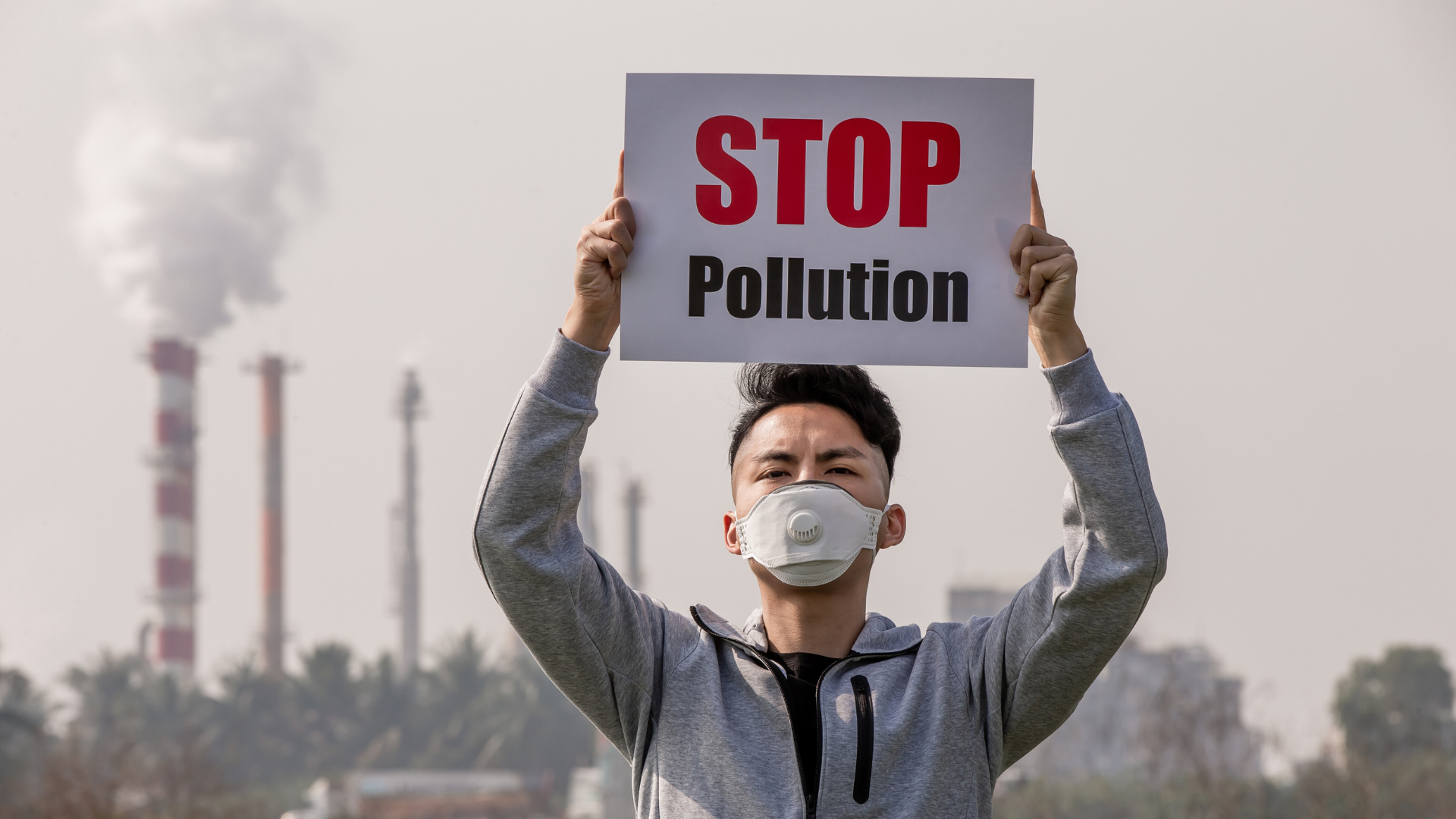
Pollution directly affects human health by contaminating the air, water, and soil we rely on daily. Exposure to pollutants can lead to respiratory problems, cardiovascular diseases, and other chronic conditions. Air pollution alone contributes to millions of premature deaths worldwide every year.
The impact goes beyond just physical health; it also affects vulnerable groups such as children, the elderly, and those with existing health issues more severely. Understanding how pollution harms our bodies is key to developing effective prevention and treatment strategies.
Overview of Pollution and Health
Pollution involves substances harmful to the environment and living beings. Its various forms impact the body differently, influencing respiratory, cardiovascular, and neurological systems. Health outcomes depend on pollution type, exposure level, and individual vulnerabilities.
Definition of Pollution
Pollution is the introduction of contaminants into the natural environment that cause adverse effects. These contaminants can be chemical, physical, or biological agents. They disrupt natural processes and threaten ecosystems, human health, and quality of life.
Pollution sources include industrial emissions, vehicle exhaust, waste disposal, and agricultural activities. Pollution can be localised or spread over large areas through air, water, or soil. Understanding its definition helps identify risks and develop effective controls.
Types of Pollution
Air pollution includes gases like carbon monoxide, sulfur dioxide, nitrogen oxides, and particulate matter (PM2.5 and PM10). Indoor pollution, from tobacco smoke and household chemicals, also affects health.
Water pollution consists of pathogens, heavy metals, pesticides, and nutrients, causing contamination. This affects drinking water safety and aquatic ecosystems.
Soil pollution arises from industrial waste, pesticides, and heavy metals, altering soil quality and entering the food chain. Noise and light pollution add non-chemical threats impacting well-being.
General Health Consequences
Exposure to air pollution is linked to asthma, chronic obstructive pulmonary disease (COPD), heart attacks, and strokes. Fine particles infiltrate lungs and bloodstream, triggering inflammation and oxidative stress.
Waterborne pollutants cause gastrointestinal infections, neurological disorders, and reproductive issues. Soil contaminants can accumulate in crops, leading to chronic poisoning and cancer risk over time.
Noise pollution disrupts sleep and raises stress levels, which indirectly worsen cardiovascular health. Health impacts depend on exposure duration, pollutant concentration, and individual sensitivity.
Air Pollution and Human Health
Air pollution consists of harmful substances like particulate matter (PM), nitrogen dioxide (NO2), sulfur dioxide (SO2), and ozone (O3) that affect the respiratory and cardiovascular systems. Exposure levels and duration directly influence the severity of health outcomes. Some groups are more vulnerable, and prolonged exposure can lead to chronic conditions.
Respiratory Diseases
Air pollutants irritate and inflame airways, leading to conditions such as asthma, chronic bronchitis, and chronic obstructive pulmonary disease (COPD). Fine particulate matter (PM2.5) penetrates deep into the lungs, causing lung tissue damage and reducing lung function.
Increases in hospital admissions for respiratory infections and exacerbations of asthma are strongly linked with spikes in pollution levels. Children and individuals with pre-existing lung conditions are particularly affected. Continuous exposure raises the risk of developing lung cancer.
Cardiovascular Impacts
Air pollution contributes significantly to heart disease by increasing inflammation and oxidative stress in blood vessels. Pollutants like PM2.5 and ultrafine particles can cross into the bloodstream, affecting heart rate variability and blood pressure regulation.
Studies associate air pollution with heightened risks of heart attacks, stroke, and arrhythmias. Long-term exposure increases the likelihood of developing hypertension and atherosclerosis. Cardiovascular mortality rates rise in areas with poor air quality.
Vulnerable Populations
Certain populations face elevated risks from air pollution. This includes children, the elderly, pregnant women, and people with existing health issues such as asthma, diabetes, or cardiovascular disease.
Children inhale more air relative to their body weight and have developing respiratory systems, making them highly susceptible. Pregnant women exposed to pollutants risk preterm birth and low birth weight. Socioeconomic factors also influence exposure levels and health outcomes.
Long-Term Health Effects
Chronic exposure to polluted air leads to sustained inflammation and impaired immune responses. Diseases such as lung cancer, chronic respiratory disorders, and cardiovascular diseases often develop after years of exposure.
Cognitive decline and neurodegenerative diseases have also been linked to long-term air pollution exposure. Lifelong exposure reduces life expectancy and increases mortality risks across multiple organ systems.
Water Pollution and Health Risks
Water pollution introduces harmful substances into bodies of water, directly affecting human health. Contaminants in water can range from biological pathogens to toxic chemicals, each posing unique health dangers.
Drinking Water Contamination
Contaminated drinking water often contains microorganisms such as bacteria, viruses, and parasites. These pathogens can cause illnesses like diarrhoea, cholera, and dysentery, particularly in areas with inadequate water treatment.
Chemical pollutants like lead, arsenic, and nitrates may also enter drinking water sources through industrial waste or agricultural runoff. Long-term exposure to these substances can lead to serious health issues, including kidney damage, developmental problems in children, and increased cancer risk.
Safe drinking water standards exist to limit these contaminants, but access to clean water remains a critical challenge worldwide.
Waterborne Diseases
Waterborne diseases result from ingesting or coming into contact with polluted water. Common diseases include giardiasis, hepatitis A, and typhoid fever, often transmitted through faecal contamination.
Symptoms vary but frequently include gastrointestinal distress, dehydration, and fever. Children, the elderly, and immunocompromised individuals are particularly vulnerable.
Outbreaks can occur rapidly, especially in settings with poor sanitation infrastructure or during natural disasters that disrupt water supplies.
Chemical Exposure in Water
Exposure to industrial chemicals in water, such as pesticides, pharmaceuticals, and heavy metals, poses long-term health risks. Chemicals like mercury and cadmium accumulate in the body, potentially causing neurological damage and organ failure.
Endocrine-disrupting compounds interfere with hormone systems, leading to reproductive issues and developmental delays. Monitoring and regulating chemical levels in water sources is essential to minimise these effects.
Preventive measures include proper waste disposal, improved treatment technologies, and stricter environmental regulations to reduce chemical contamination.
Soil Pollution and Human Wellbeing
Soil pollution affects human health primarily through contaminated food, exposure to heavy metals, and risks faced by workers in polluted environments. Each of these factors can cause serious physical health issues and influence quality of life.
Health Impacts from Contaminated Food
Pollutants in soil can enter the food chain by contaminating crops grown in polluted land. These contaminants include pesticides, industrial chemicals, and pathogens that can accumulate in fruits, vegetables, and grains.
Consuming contaminated food may lead to digestive problems, poisoning, and long-term diseases such as cancer or neurological disorders. Children and pregnant women are especially vulnerable to these effects due to developing organs and immune systems.
Farmers and consumers alike face risks from soil-borne contaminants. Proper soil testing and regulation of agricultural chemicals can reduce exposure to these harmful agents.
Heavy Metals and Toxins
Heavy metals like lead, cadmium, arsenic, and mercury often accumulate in polluted soils due to industrial waste and mining activities. These metals are non-biodegradable and can remain in the soil for decades.
Heavy metal exposure occurs through inhalation of dust, ingestion of contaminated food, or dermal contact with soil. Effects include kidney damage, developmental disorders, immune system suppression, and increased cancer risk.
Unlike organic pollutants, heavy metals cannot be broken down, making the prevention of soil contamination critical. Monitoring and remediation efforts focus on preventing heavy metals from entering the food chain.
Occupational Hazards
Workers involved in agriculture, waste management, and industrial activities face elevated risks of soil pollution exposure. Continuous contact with contaminated soil can cause skin diseases, respiratory problems, and toxic effects from pesticides or chemicals.
Prolonged exposure to toxic substances like solvents or heavy metals can lead to chronic illnesses, including neurological damage and cancer. Protective gear and safety protocols are essential to reduce occupational risks.
Workplace training and monitoring help identify hazardous exposures early. Employers must enforce regulations that limit pollutant contact to protect worker health effectively.
Impact of Noise and Light Pollution
Noise and light pollution disrupt natural bodily functions and contribute to various health problems. These environmental stressors impair sleep quality, increase stress on the cardiovascular system, and affect neurological and developmental processes, especially in vulnerable populations.
Effects on Sleep and Mental Health
Exposure to continuous noise above 50 decibels at night reduces both the length and quality of sleep. This disturbance leads to increased daytime fatigue, irritability, and diminished cognitive function.
Light pollution, particularly blue light from artificial sources, interferes with the production of melatonin, the hormone that regulates sleep. This interruption can cause insomnia and elevate the risk of mood disorders such as anxiety and depression.
Populations living near busy roads or brightly lit urban areas show higher rates of sleep disorders. Poor sleep quality is linked to impaired memory, reduced attention span, and increased stress hormone levels.
Cardiovascular Stress
Chronic exposure to noise pollution activates the body’s stress response. This leads to increased heart rate and elevated blood pressure, heightening the risk of hypertension and heart disease.
Studies show that people exposed to road traffic noise above 60 decibels have a higher incidence of heart attacks and stroke. Nighttime noise is particularly harmful as it prevents the cardiovascular system from resting.
Light pollution disrupts circadian rhythms, affecting heart rate variability and increasing cardiovascular strain during night hours. This disruption can exacerbate existing heart conditions.
Developmental Concerns
In children, noise and light pollution are linked to impaired cognitive development. Noise exposure near schools affects concentration, reading skills, and memory retention.
Light pollution disrupts children’s sleep cycles, which can hinder brain development and emotional regulation. Reduced melatonin production may also interfere with hormonal balance during critical growth phases.
Pregnant women exposed to high levels of noise and artificial light face increased risks of adverse birth outcomes, including lower birth weight and preterm delivery, due to heightened stress responses.
Vulnerable Groups and Disproportionate Effects
Certain populations experience more severe health impacts from pollution due to biological differences, preexisting conditions, or increased exposure. These groups often face risks that extend beyond general population levels, requiring specialised attention.
Children’s Exposure
Children’s developing lungs and immune systems make them particularly susceptible to air pollution. Exposure to pollutants like particulate matter and nitrogen dioxide can lead to increased rates of asthma, bronchitis, and other respiratory infections.
Additionally, long-term exposure may impair lung development, reducing lung function into adulthood. Behavioural factors, such as time spent outdoors, increase the likelihood of inhaling harmful substances. Indoor pollution, such as secondhand smoke, also presents significant risks.
Schools and playgrounds located near busy roads or industrial sites heighten exposure risks. Protection strategies often focus on reducing emissions near these areas and improving air quality indoors.
Elderly Health Concerns
Older adults are more vulnerable to pollution due to weakened immune systems and preexisting conditions such as cardiovascular and respiratory diseases. Even moderate levels of pollution can exacerbate heart disease, leading to increased hospitalisations.
Chronic exposure contributes to declines in lung function and a higher risk of stroke and heart attacks. The elderly often spend more time indoors but may still be affected by indoor pollution sources.
Limited mobility and social isolation can delay medical treatment, increasing health risks. Pollution-related health declines can reduce the quality of life and increase mortality rates in this group.
Impact on Pregnant Women
Pregnant women exposed to pollution face risks that affect both maternal health and fetal development. Pollutants such as fine particulate matter (PM2.5) are linked to low birth weight, preterm birth, and developmental delays.
Air pollution can induce inflammation and oxidative stress, potentially affecting placental function. This raises concerns about long-term cognitive and respiratory issues in children born to exposed mothers.
Certain pollutants increase the risk of pregnancy complications such as hypertension. The timing and duration of exposure during pregnancy influence the severity of these outcomes. Public health measures targeting pregnant women frequently emphasise reducing exposure during critical developmental windows.
Economic and Social Consequences
Pollution affects more than just health; it significantly influences financial burdens, workplace efficiency, and social disparities. These impacts present challenges that extend across individual lives and broader communities.
Healthcare Costs
The rise in pollution-related illnesses increases demand on healthcare systems. Respiratory diseases, heart conditions, and cancers linked to pollution require frequent medical visits, treatments, and hospitalisations. This drives up both public and private healthcare spending.
For example, in urban areas with high air pollution, healthcare costs can be 20-30% higher than in regions with cleaner air. Chronic conditions caused by pollutants often need long-term management, compounding expenses over time.
Addressing these health impacts through preventive measures can reduce financial strain. However, without intervention, the escalating costs place pressure on government budgets and insurance providers.
Workforce Productivity
Pollution directly affects worker performance through illness and absenteeism. Employees exposed to polluted environments face increased respiratory problems and fatigue, reducing their ability to perform tasks efficiently.
Studies show pollution can decrease productivity by up to 10-15% in heavily polluted areas. This decline results from increased sick days and reduced physical and cognitive capacity while at work.
The economic impact includes lost wages, decreased output, and slower business growth. Industries relying on manual labour or outdoor work suffer disproportionately, affecting overall economic development.
Societal Inequality
Pollution does not affect all populations equally; low-income and marginalised groups often bear the heaviest burden. These communities are more likely to live near industrial zones or traffic corridors with high pollutant levels.
This disparity intensifies existing inequalities by increasing health risks and limiting economic opportunities for vulnerable populations. Poorer neighbourhoods frequently experience underfunded health services, exacerbating negative outcomes.
Environmental injustice thus perpetuates a cycle where disadvantaged groups face greater pollution exposure and fewer resources to cope with its effects. Addressing pollution is critical to reducing these social inequities.
Global Trends and Regional Differences
Pollution’s health impact varies significantly around the world due to economic status and living environments. Differences in industrialisation, regulatory controls, and infrastructure contribute to these variations.
Developed vs Developing Countries
Developed countries generally experience lower pollution-related health issues due to stricter environmental regulations. Air quality standards, waste management, and cleaner technologies reduce exposure to harmful pollutants. However, industrial emissions and vehicle exhaust remain concerns, especially in urban centres.
In contrast, developing countries face higher health risks linked to pollution. Rapid industrial growth often outpaces regulatory frameworks. Reliance on biomass fuels for cooking and heating causes indoor air pollution, increasing respiratory diseases. Limited access to healthcare exacerbates the effects of pollution-related illnesses.
| Factor | Developed Countries | Developing Countries |
| Air Quality Regulations | Strong and enforced | Weaker or poorly enforced |
| Pollution Sources | Industry, traffic | Industry, biomass fuel use |
| Health Impact | Lower prevalence of diseases | Higher prevalence, especially respiratory and cardiovascular |
Urban and Rural Disparities
Urban areas tend to have higher pollution levels, primarily from traffic, industry, and energy production. Residents in cities face increased risks of asthma, heart disease, and lung cancer. Concentrated pollution sources and population density amplify exposure.
Rural regions often have better air quality but may suffer from pollution linked to agricultural chemicals and biomass burning. Indoor smoke exposure is a major health issue, especially for women and children. Limited health services and infrastructure in rural areas hinder the timely diagnosis and treatment of pollution-related conditions.
Prevention and Mitigation Strategies
Effective measures to reduce pollution-related health risks include regulatory actions, technological improvements, and public awareness efforts. These targets work together to minimise exposure and promote cleaner environments.
Policy Interventions
Governments play a key role by enforcing limits on air and water pollutants. Setting emissions standards for industries and vehicles curtails harmful substances like particulate matter and nitrogen oxides.
Regulations such as the Clean Air Act have successfully lowered pollution levels in many regions. Monitoring programs ensure compliance, while penalties deter violations.
Urban planning policies also support green spaces to improve air quality and reduce heat pockets. Subsidies for renewable energy encourage shifts from fossil fuels, cutting pollution at the source.
Technological Solutions
Advanced technologies remove or reduce pollutants before they reach the environment. Air filtration systems in factories can capture particulate matter and toxic gases effectively.
Emerging innovations include electric vehicles and energy-efficient appliances, which decrease emissions from transportation and households. Waste treatment technologies improve water safety by filtering contaminants.
Implementation of real-time pollution sensors allows rapid identification of problem areas, enabling quicker corrective actions. Cleaner production methods further help industries minimise waste and emissions.
Community Education
Educating the public on pollution sources and health effects empowers individuals to take preventive measures. Awareness campaigns inform people about reducing waste, avoiding the use of harmful chemicals, and conserving energy.
Schools and local organisations promote behaviours such as proper disposal of hazardous materials and reducing vehicle use. Public health initiatives also emphasise indoor air quality and smoking cessation.
Community involvement in monitoring pollution and reporting violations strengthens overall mitigation efforts. Access to reliable information enables informed decisions that protect personal and public health.
Future Outlook on Pollution and Health
Pollution is expected to remain a major public health challenge globally. Advances in technology and policy are likely to play crucial roles in mitigating its effects.
Emerging innovations, such as improved air quality monitoring and cleaner energy sources, promise to reduce exposure levels. However, urbanisation and industrial growth may counterbalance these benefits in some regions.
| Key Factors | Impact on Health | Potential Trends |
| Air Pollution | Respiratory diseases, cardiovascular | Stricter regulations, cleaner tech |
| Water Contamination | Gastrointestinal illness, toxins | Enhanced water treatment methods |
| Chemical Exposure | Cancer, neurological issues | Safer chemical alternatives |
Public awareness and education will be essential for promoting behavioural changes that reduce pollution exposure. Efforts like reducing vehicle emissions and decreasing plastic use are gaining traction worldwide.
Policy development will likely focus on sustainable urban planning and renewable energy adoption. These actions could significantly reduce pollution-related health risks over the next few decades.
In summary, balancing economic growth with environmental protection will determine future health outcomes related to pollution. Continued research and international cooperation will be key factors in this process.