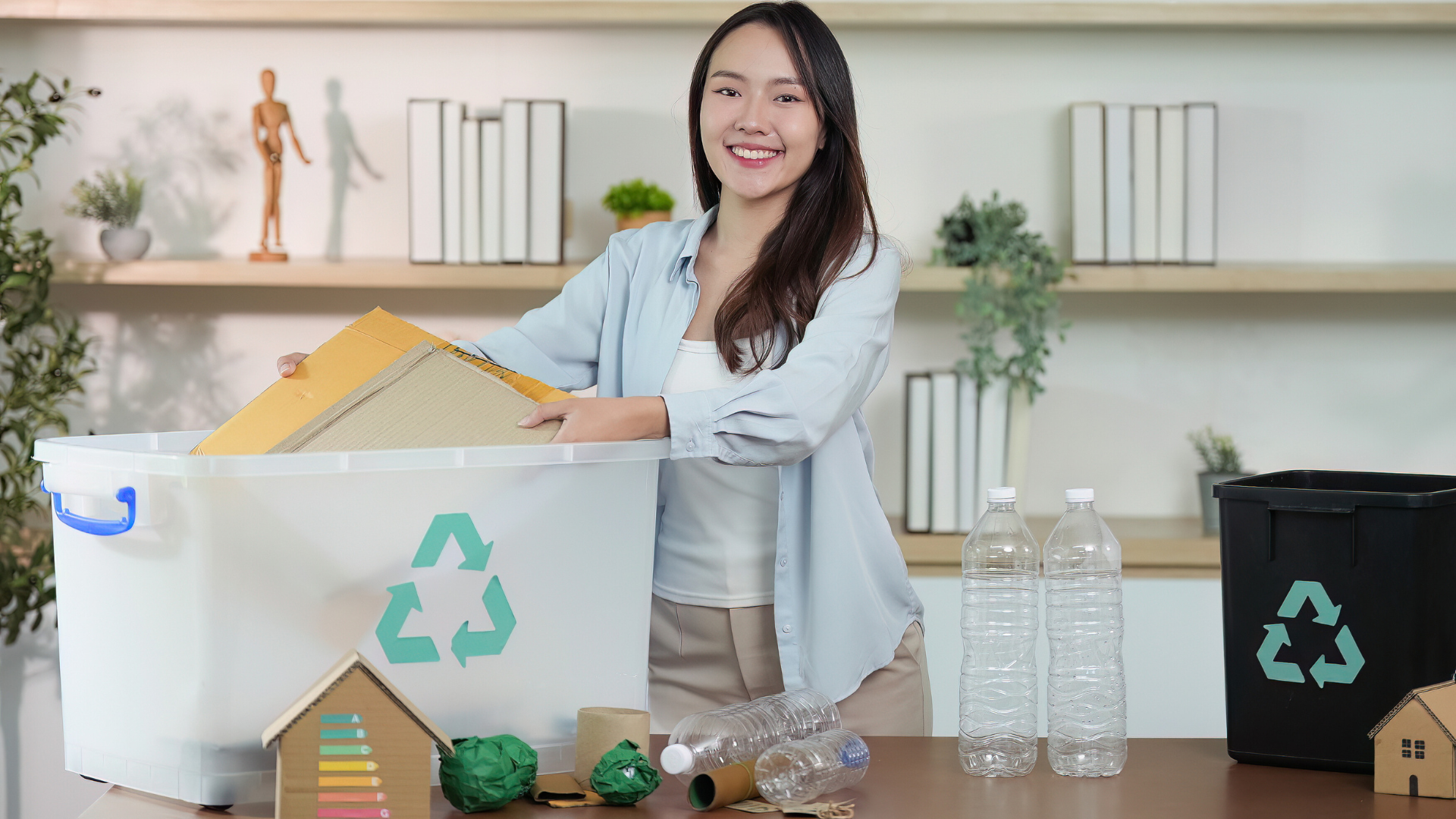
Recycling at home starts with understanding what materials can be recycled and how to prepare them properly. The key to recycling effectively is to clean, sort, and dry all items before placing them in the correct bins. This simple step helps prevent contamination and ensures that your recycled materials can actually be processed.
Knowing your local recycling rules is essential because they vary by area. Using the wrong bins or including non-recyclable items can cause entire batches to be discarded. Careful separation of plastics, paper, glass, and metals boosts the chances of successful recycling.
Understanding Recycling Basics
Recycling requires understanding what materials qualify, why it matters, and how common misunderstandings can affect the process. Proper sorting and knowledge prevent contamination and improve the efficiency of recycling systems.
What is Recycling and Why Does It Matter?
Recycling is the process of converting waste materials into new products to reduce raw material use. It saves energy and decreases pollution compared to producing goods from virgin materials.
Recycling conserves natural resources like trees, water, and minerals. It also helps cut greenhouse gas emissions by reducing landfill waste and energy consumption.
By recycling, households contribute to a circular economy, promoting sustainability. This reduces environmental impact and helps manage waste responsibly.
Types of Recyclable Materials
Common recyclable materials include paper, cardboard, glass, metal cans, and certain plastics. Items must be clean and free of food residue to qualify.
Plastics are categorised by resin codes (1-7), but not all are accepted everywhere. Check local guidelines to know which plastic types your recycling program accepts.
Electronics, batteries, and hazardous materials require special recycling processes and must be handled separately to avoid contamination or harm.
Common Myths About Recycling
Myth: All plastics can be recycled.
Fact: Only specific types of plastics are recyclable based on local facilities.
Myth: Recycling is not worth the effort.
Fact: Proper recycling reduces landfill volume and saves energy and resources.
Myth: If unsure, it’s better to throw it away.
Fact: Contamination can spoil entire batches of recyclables, so check guidelines before discarding.
Accurate knowledge prevents common mistakes and supports effective recycling efforts.
Setting Up a Home Recycling System
Creating an efficient recycling system at home involves selecting the right containers, understanding local rules, and organising locations for easy collection. Clear labels and designated spots help ensure items don’t get mixed up or contaminated.
Choosing and Labelling Bins
Select bins made of sturdy materials like plastic or metal. Use multiple containers for different materials: paper, plastic, glass, and metals. Opt for bins with lids to keep the area clean and to avoid pests.
Label bins clearly with bold, large fonts. Include simple icons or colour codes, for example:
| Material | Colour/Label |
| Paper | Blue with paper icon |
| Plastic | Green with plastic icon |
| Glass | Clear or white witha glass icon |
| Metal | Silver or grey with a metal icon |
Labels should be laminated or waterproof to maintain legibility over time. Place labels on the front and top of bins to increase visibility.
Identifying Local Recycling Guidelines
Check your city or municipality’s website for specific recycling rules. Important details include which materials are accepted and any preparation requirements, like rinsing containers or removing caps.
Some programs limit the types of plastics accepted, often only #1 and #2. Electronics, batteries, or hazardous waste may need separate disposal at designated centres.
Failing to follow local guidelines can cause contamination, leading to more waste sent to landfills. Stay updated on any changes by subscribing to your local waste management newsletter.
Designating Collection Areas
Choose convenient spots in your home for recycling bins, such as the kitchen, garage, or laundry area. Locations should balance accessibility and out-of-sight placement to maintain tidiness.
For multi-family households, designate a shared collection space to consolidate materials before transfer to outdoor bins. Ensure this space is dry and well-ventilated to prevent odours.
Use trays or mats underneath bins to catch spills. Keep bins at least a few inches apart to avoid confusion and to simplify waste sorting.
Sorting Household Recyclables
Proper sorting of recyclables makes processing more efficient and reduces contamination. Focus on separating by material type and preparing items to meet local recycling guidelines.
Separating Paper, Plastic, Metal, and Glass
Sort recyclables into four main categories: paper, plastic, metal, and glass. Paper includes newspapers, office paper, and cardboard, but avoid greasy items like pizza boxes.
Plastics are identified by resin codes (1–7). Commonly recycled types are #1 (PET) and #2 (HDPE). Avoid plastics labelled “not recyclable” or those contaminated with food residue.
Metals include aluminium cans, tin cans, and clean foil. Remove food residue and flatten cans when possible.
Glass should be sorted by colour if required. Rinse jars and bottles to remove all liquids and labels if your local program requests it.
Dealing with Mixed Materials
Items composed of multiple materials, such as juice cartons or packaging with plastic windows, need special handling. Check if your local recycling accepts these or offers separate drop-off locations.
Remove any non-recyclable components before recycling. For example, pull plastic caps from glass bottles or peel plastic liners off cardboard.
If mixed materials cannot be separated, they usually go to a landfill or special waste facilities. Avoid contaminating recyclable streams by combining incompatible materials.
Preparing Containers for Recycling
Containers should be empty, clean, and dry before placing them in bins. Rinse out food and beverage containers to prevent odours and insect attraction.
Remove lids if your area requires it, but check local rules since some programs accept lids attached. Flatten plastic bottles to save space, but do not crush cans; they must keep their shape for sorting machines.
Avoid bagging recyclables unless your recycling service specifically requests it. Loose items are easier to sort and process efficiently.
Proper Disposal of Special Items
Some waste items require different handling than regular recyclables due to their chemical components or electronic parts. Proper disposal prevents environmental harm and ensures materials can be safely processed or recycled.
Electronics and Batteries
Electronics contain valuable metals but also hazardous materials like lead and mercury. Do not throw old phones, laptops, or batteries into regular trash or recycling bins. Instead, take them to designated e-waste collection centres or retailer take-back programs.
Remove batteries from devices when possible. Single-use and rechargeable batteries should be recycled at specific battery drop-off points, often found at electronics stores or community waste facilities.
Store batteries in a non-metal container before transport to avoid short-circuit risks. Never dispose of batteries in fire or landfill, as they can leak toxins or explode.
Household Hazardous Waste
Items like paint, solvents, pesticides, and cleaning chemicals are considered household hazardous waste (HHW). These must never go into regular recycling or trash bins because they can contaminate recycling streams and soil.
Locate your local HHW collection events or permanent drop-off sites. Follow packaging instructions—keep containers sealed and labelled.
Avoid mixing different chemicals; store them separately in cool, dry places until disposal. Use only designated sites to prevent environmental damage and health hazards.
Reducing Contamination in Recycling
Preventing contamination is essential for effective recycling. Properly handling recyclables ensures materials are not rejected during processing. Understanding how to clean items and identify what should not enter the recycling bin is crucial.
Cleaning and Drying Recyclables
Rinse containers to remove food residue and liquids before recycling. Even small amounts of leftover food can spoil entire batches, so focus on thorough cleaning. Use a quick rinse with water; soap is usually unnecessary.
Dry recyclable items completely. Wet paper and cardboard lose value and can jam machinery. After rinsing, shake off excess water and let items air dry or wipe them with a cloth.
Avoid soaking recyclables or leaving them with moisture inside. Clean and dry materials help maintain their quality and reduce issues during sorting.
Recognizing Non-Recyclable Items
Not all materials belong in curbside recycling bins. Items like plastic bags, styrofoam containers, and greasy pizza boxes often cause contamination.
Check local recycling rules, as accepted materials vary by location. Commonly non-recyclable items include:
- Plastic bags and wraps
- Food-soiled paper products
- Broken glass and ceramics
- Electronics and batteries
Placing non-recyclables in the bin can cause machinery damage or require entire loads to be discarded. When in doubt, dispose of questionable items through the trash or specialised collection programs.
Maximising Recycling Efforts at Home
Improving recycling effectiveness involves more than sorting waste correctly. It requires conscious efforts to reduce waste generation by reusing and repurposing materials, as well as managing organic waste separately.
Upcycling and Reusing Materials
Upcycling transforms waste into useful items without breaking down the material. Examples include turning glass jars into storage containers or old clothes into cleaning rags. This process reduces the volume of recyclable waste and saves resources.
Focus on identifying household items that can serve new purposes before discarding them. For instance, cardboard boxes can become organisers, while scrap wood can be repurposed for small projects. These practices slow the demand for new materials and support sustainability.
Developing a habit of evaluating items for reuse minimises waste. Store materials like paper, fabric, and containers for future creative or functional uses rather than immediate disposal.
Composting Organic Waste
Composting diverts kitchen scraps and yard waste from landfills while producing nutrient-rich soil. Common compostable items include fruit and vegetable peels, coffee grounds, eggshells, and grass clippings.
A basic compost pile or bin should be kept moist and aerated regularly by turning it. Balance green materials (high nitrogen) with brown materials (high carbon) like dry leaves or shredded paper for efficient decomposition.
Avoid composting meat, dairy, or oily foods to prevent odours and pests. Home composting reduces organic waste weight in trash and provides valuable fertiliser for plants and gardens.
Staying Informed and Encouraging Others
Knowing current recycling rules and sharing clear information can improve your home’s recycling success. Actively checking updates and communicating with others ensures fewer mistakes and greater impact.
Keeping Up with Local Policies
Local recycling policies vary and often change. Stay updated by regularly visiting your municipal website or subscribing to local waste management newsletters. These sources provide specifics on accepted materials, collection days, and any new rules.
Use reminders to review these updates quarterly. Incorrect sorting commonly causes contamination, so knowing precisely what is recyclable is essential. For example, some areas accept certain plastics while others don’t.
Many municipalities offer guides or apps with scanning features that tell you if an item is recyclable. Using these tools can help avoid errors and reduce landfill waste.
Educating Family and Neighbours
Share clear, consistent recycling guidelines with those around you. Start by creating simple reference cards or posters that highlight what can and cannot be recycled in your area. Place them near recycling bins for easy access.
Hold brief discussions during family meetings or neighbourhood gatherings. Explain the reasons behind sorting rules and how contamination affects the community.
Encourage questions and correct misunderstandings promptly. Personalising the information helps others see the importance and makes recycling a shared responsibility.
Consider organising group recycling activities or challenges to foster teamwork and commitment. This keeps everyone engaged and improves compliance over time.